

WOODBRIDGE, Va. — A new tool will make it easier for heart attack patients to receive critical treatment when minutes matter most.
Sentara Northern Virginia Medical Center in Woodbridge implemented a new system called LIFENET. It is the first web-based data network of its kind that offers EMS technicians in the field the ability to send information back to a hospital to help doctors identify patients suffering a dangerous type of heart attack known as STEMI, or ST-segment elevation myocardial infraction.
Here’s how it works:
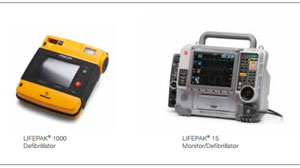
LIFENET System is a state-of-the-art, easy to use system designed to connect EMS teams and hospital personnel with emergent patient data, and to help increase workflow so that a patient can receive treatment as quickly as possible.
LIFENET enables paramedics in the field to alert hospital care teams and provide them with critical patient data so they can quickly identify STEMI patients, determine where to route them for care, and have staff prepared before the patient arrives, reducing time to treatment.
While Sentara hospitals in Hampton Roads have used the system for years, this is the first time it’s being deployed in Prince William County.
The LIFENET system was donated to the hospital by the Potomac Health Foundation.
“Potomac Health Foundation aims to promote wellness and prevent disease in our service area. Heart issues are among the top health needs resulting in hospitalization in our community. This effort is designed to save lives by providing the medical staff with vital information to determine appropriate treatment interventions, even before the patient arrives at the hospital,” said Sheri Warren, director of grant programs at Potomac Health Foundation..
According to hospital officials, STEMI heart attacks should not be taken lightly:
STEMI poses a serious threat to the heart muscle and can result in death or serious disability for the patient. The more quickly patients can receive treatment, which may include balloon angioplasty and stent placement in the cardiac catheterization lab, the more likely they are to have a positive outcome. D2B time refers to the interval from patient arrival at the hospital to inflation of the balloon catheter within the patient’s blocked artery – the shorter the D2B time, the greater the chance of survival.
