

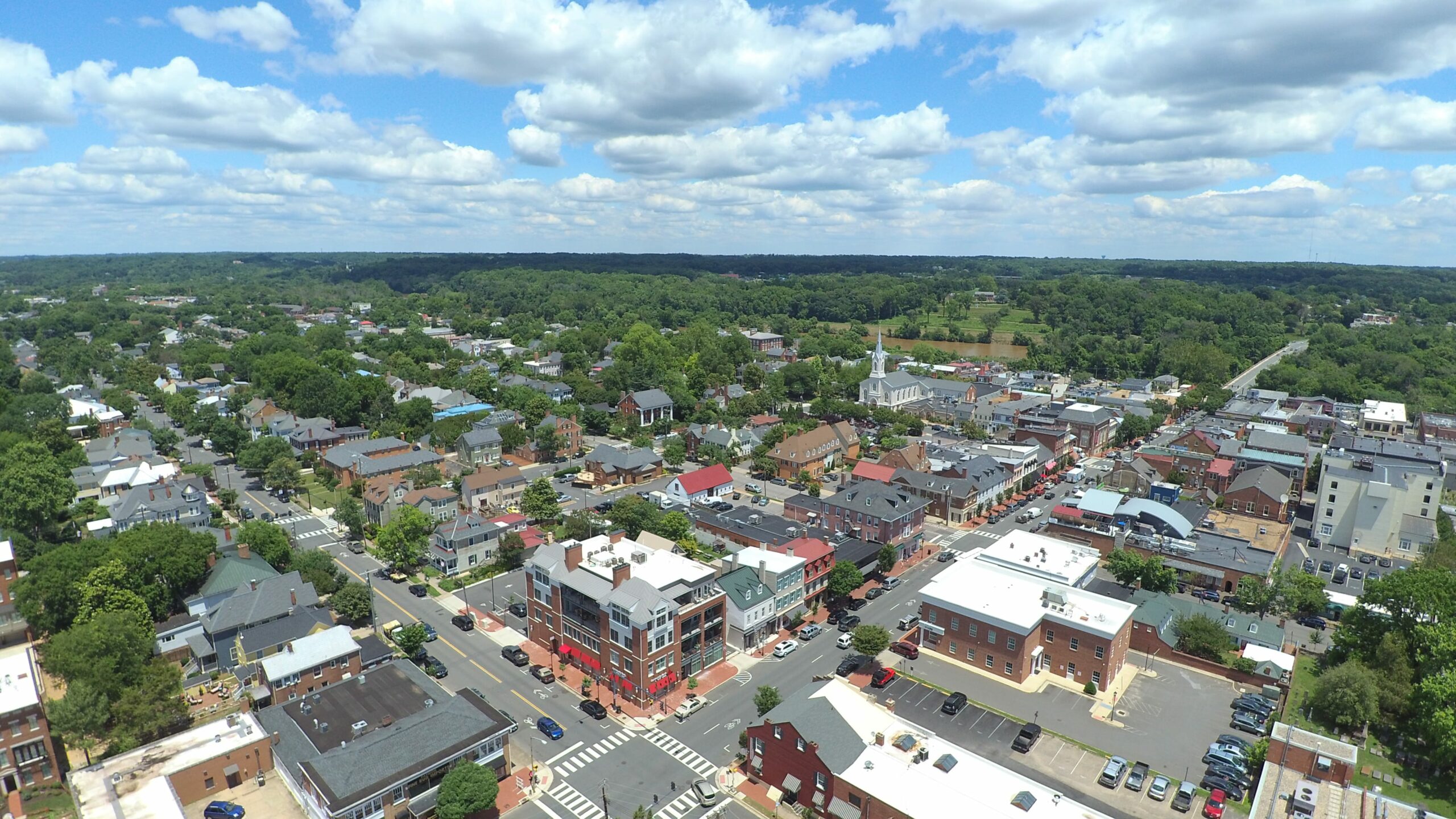
Run a business in Fredericksburg and the city starts taxing your receipts at $100,000. Cross into Spotsylvania and, on the numbers read in the room Monday, that same kind of tax does not start until $2 million. Head north into Stafford, and there is no tax of this kind at all. Three weeks ago, Stafford’s supervisors refused to bring one back.
That gap was a focus of the Fredericksburg Economic Development Authority during its Oct. 5 retreat. The authority did not vote, and it did not recommend a rate. Chair Meredith Schatz said she wanted the receipts in hand before she took the question to a Nov. 4 meeting with the city. She did not want to hand the City Council a problem with no solution attached.
The BPOL tax (Business, Professional and Occupational License) hits gross receipts, which is revenue, not profit. A city firm under $100,000 pays a $25 annual license and stops there.
Businesses that rake in between $100,000 and $350,000: the rate depends on the line of work, from five cents per $100 of receipts to 58 cents. Professional and real estate services sit at the high end.
Financial services are at 46 cents. Retail, restaurants, and commercial merchants land in the middle, from 19 cents to 36 cents. Over $350,000, the penny rate stays with the classification. Mixed-beverage, beer, and tobacco sales sit on flat rates.
Josh Summits, the city’s director of Economic Development and Tourism, said about 80 percent of city businesses are under the $100,000 line and pay only the fee. The Commissioner of the Revenue’s breakdown by tier was not in the room, and nobody put a dollar figure on what the city BPOL actually brings in.
The city’s fiscal 2026 budget accounts for $136.9 million, and permits, fees, and licenses together were called about 3 percent of that, a little shy of $4 million.
In Spotsylvania, according to rates read during the meeting, the rates are 29 cents for professionals, 2 cents for wholesale and research and development, 8 cents for contractors, 10 cents for retail, and 3 cents for amusement services. Fredericksburg’s professional rate was stated at 58 cents, and the city’s higher tier starts over $100,000.
Stafford is the sharper contrast as the county has no BPOL. On Sept. 15, Stafford, the largest locality in Virginia without the tax, struck down a proposal to restore the county’s BPOL tax, which ended in 2008.
Under the plan, firms under a $2 million floor would have paid a $50 fee, and firms over it would have been taxed from the first dollar, generally at 16 cents per $100, with wholesalers at 5 cents.
Stafford County Commissioner of the Revenue Scott A. Mayausky had put a Spotsylvania-style yield at $3.5 million to $4 million before the county gave up its merchants’ capital tax, about $1.1 million in the fiscal 2027 budget, and said any figure is an estimate until firms have to report receipts.
Curry Roberts, new to the Fredericksburg economic board and a former president of the Fredericksburg Regional Alliance, tied the gap to firms that already left. An earlier authority, he said, had watched defense contractors move out of the city, most of them to Stafford and some to Spotsylvania, which he said keeps raising the point at which the tax starts.
The license is not the only reason a firm stays or goes. The city can rebate BPOL for qualifying projects, measured by jobs and investment. A rebate limited to defense contractors had rubbed the rest of the business community the wrong way, Summits said. Space is the other problem. The city can meet an ask for 5,000 to 6,000 square feet of office and generally cannot meet a larger one. Speculative office, he said, is nearly impossible to finance.
Authority Chair Meredith Schatz assigned Summits to ask the city Commissioner of the Revenue for revenue by tier, and Roberts to seek an industry comparison, within the next 60 days. City budget materials are due Nov. 2. Council talks on the tax rate are scheduled for February and March.
Subscribe to our FREE email newsletter to get local news you can trust.
