

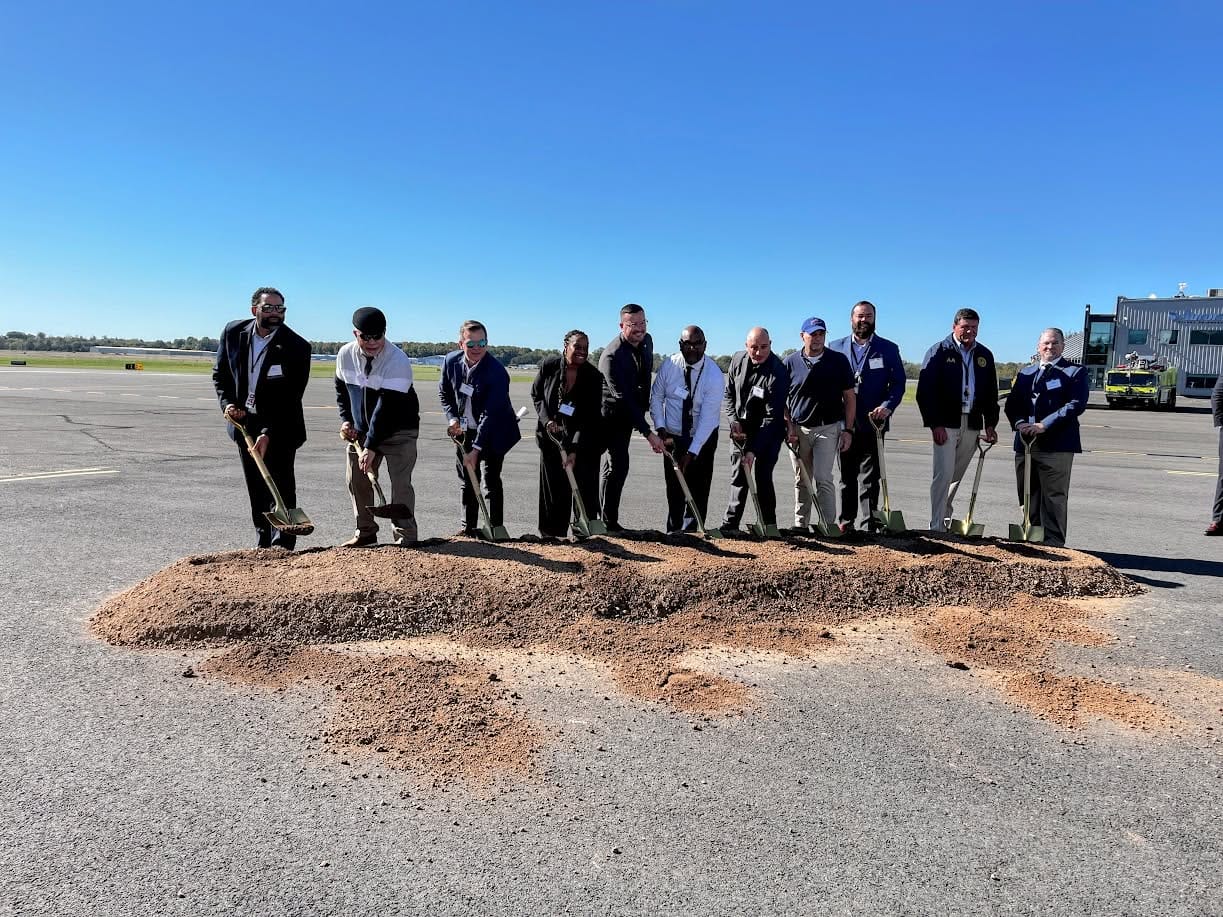
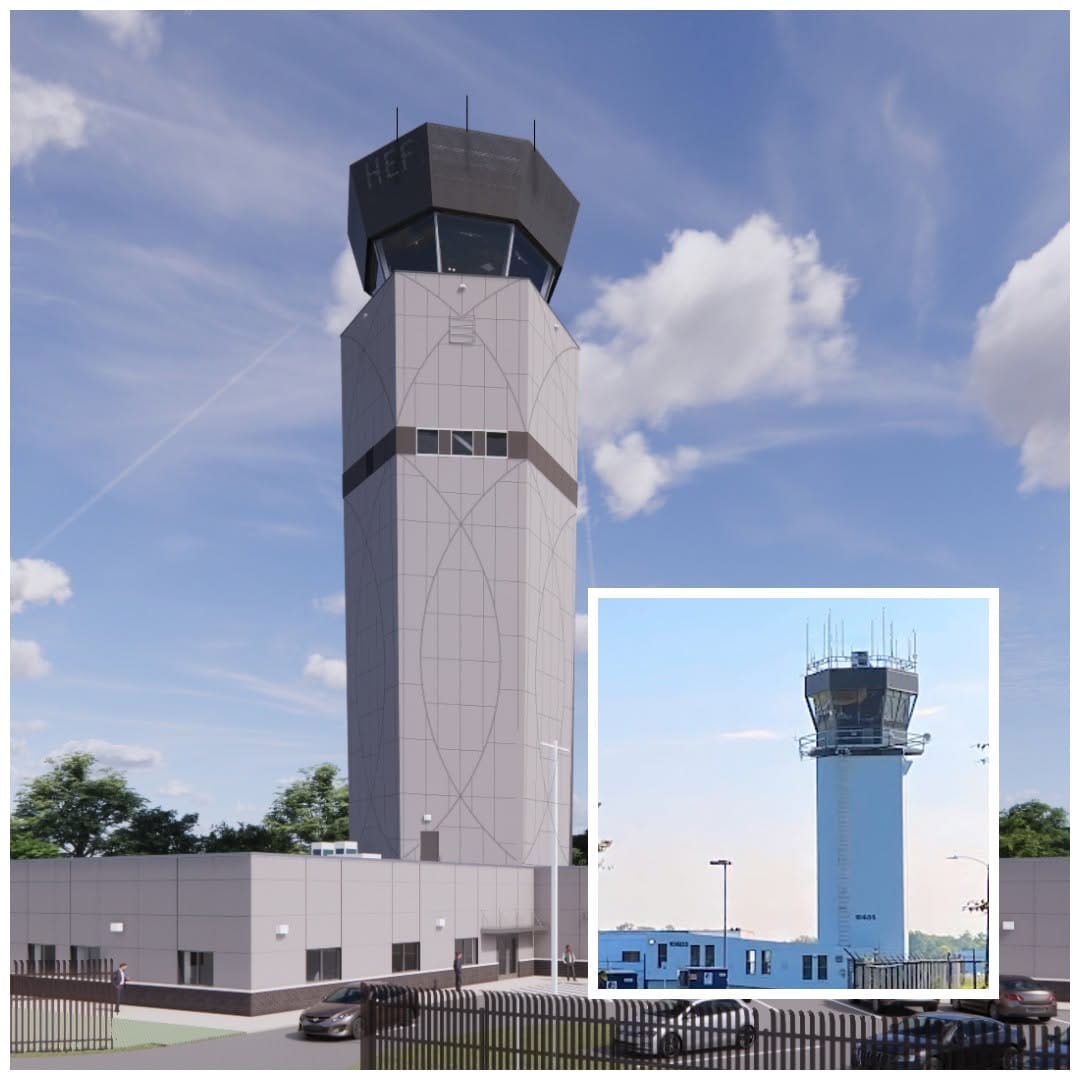
Washington Manassas Airport broke ground Tuesday on a new 145-foot air traffic control tower. The airport says the project will give controllers better visibility across the airfield, modern workspaces and expanded training space as the field prepares for commercial passenger service.
The ceremony fell on International Day of the Air Traffic Controller. The airport’s announcement does not list a project cost, a completion date or funding sources. Separate reporting puts the total above $41 million, with the Federal Aviation Administration covering $26 million, the Virginia Department of Aviation $1 million and the city of Manassas the rest. The new tower is expected to take about two years. The existing roughly 70-foot tower dates to 1992.
Subscribe to our FREE email newsletter to get local news you can trust.
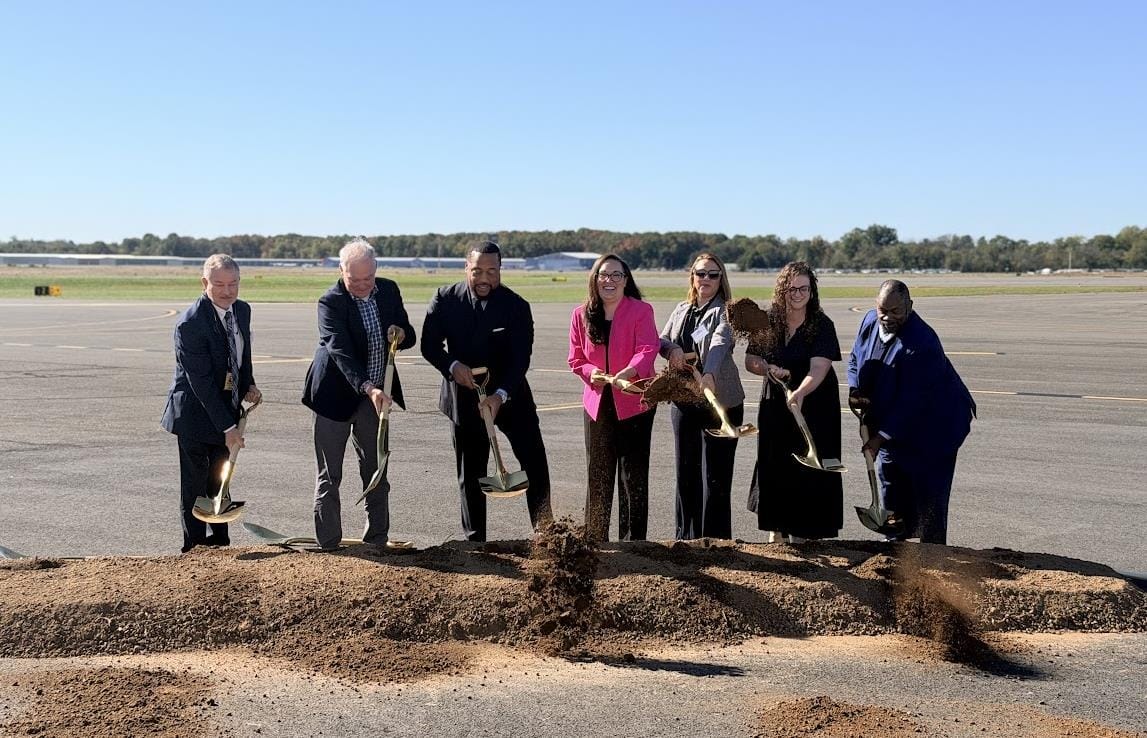
Today, Washington Manassas Airport held a groundbreaking ceremony for our new air traffic control tower. Fittingly, the ceremony took place on the International Day of the Air Traffic Controller, a day that celebrates the skill, focus, and dedication of the professionals who help keep our skies safe and aircraft moving efficiently every day.
The new 145-foot tower represents an important investment in the future of air traffic operations at HEF, providing enhanced visibility across the airfield, modern workspaces, and expanded training capabilities. As we look toward this next chapter, we recognize the air traffic controllers whose expertise and commitment are at the heart of safe and efficient aviation.
Thank you to our federal, state, county, and city partners for helping move this important project forward.
