
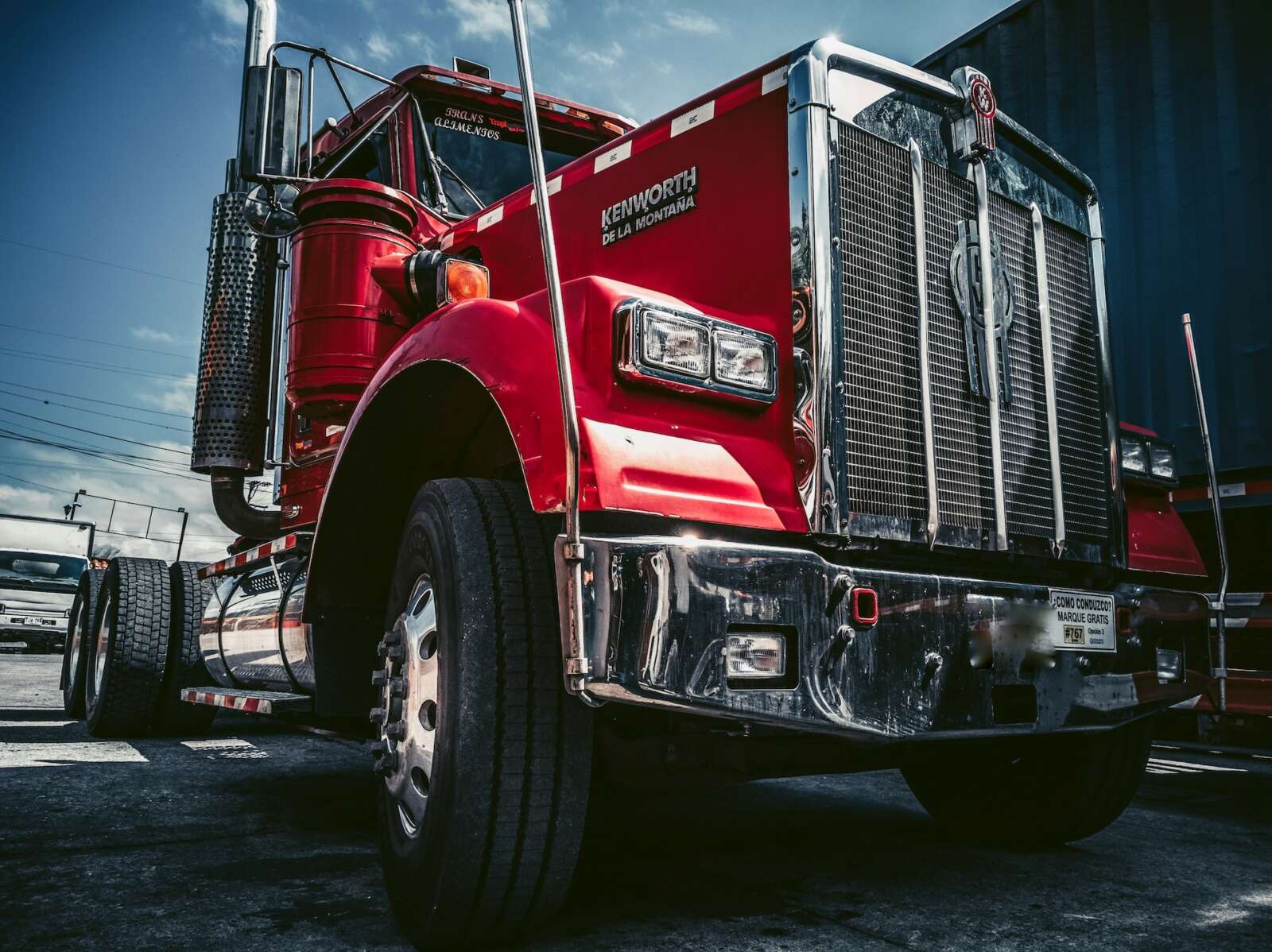
The motion was made by Spotsylvania County Supervisor Lori Hayes and seconded by Stafford County Supervisor Deuntay T. Diggs. It carried with one abstention.
FAMPO Administrator Ian Ollis, the Director of Transportation Planning, explained the resolution during his report. He said the draft Build America 250 bill, the proposed successor to the Infrastructure and Jobs Act, already contains two provisions relevant to earlier committee discussions on large trucks.
The first creates a 10-year pilot program allowing heavier trucks. Participation would be optional for each state. Virginia could choose whether to opt in; the program would not be imposed automatically.
The second provision is permanent. It would raise the weight limit for auto-hauler trucks—the vehicles that transport cars to dealerships—to 88,000 pounds.
Ollis told the committee the language is already in the House draft. “This is already in the draft bill,” he said. Final form could still change as the Senate and committees work on the legislation, but the provisions are present now.
He confirmed the bill includes no funding in that clause to cover the extra wear and tear heavier trucks would place on roads and bridges. “There’s no allocation in that particular clause to provide funding for extra wear and tear,” Ollis said.
Committee members discussed how trucks crossing state lines would be handled if neighboring states opted into higher limits while Virginia did not. Ollis said such vehicles would need special-use permits for oversized or overweight loads. A truck legal in one state could not simply cross the border into Virginia without going through the permit process.
The resolution addresses the financial and safety consequences for local infrastructure. Heavier trucks would increase wear on roads and bridges without dedicated federal money to offset the cost. Those impacts would fall on the transportation network serving Stafford County, Spotsylvania County and the City of Fredericksburg—the core localities of the FAMPO region.
A public commenter associated with the Citizens Transportation Advisory Group noted that CTAG had discussed the same resolution and endorsed it. Beyond safety and roadway wear, members of that group had also examined possible effects on carbon emissions and freight movement by rail.
The committee’s action places FAMPO on record against the proposed weight increases and calls on Congress to safeguard local roads, bridges and public safety as the federal legislation advances.