

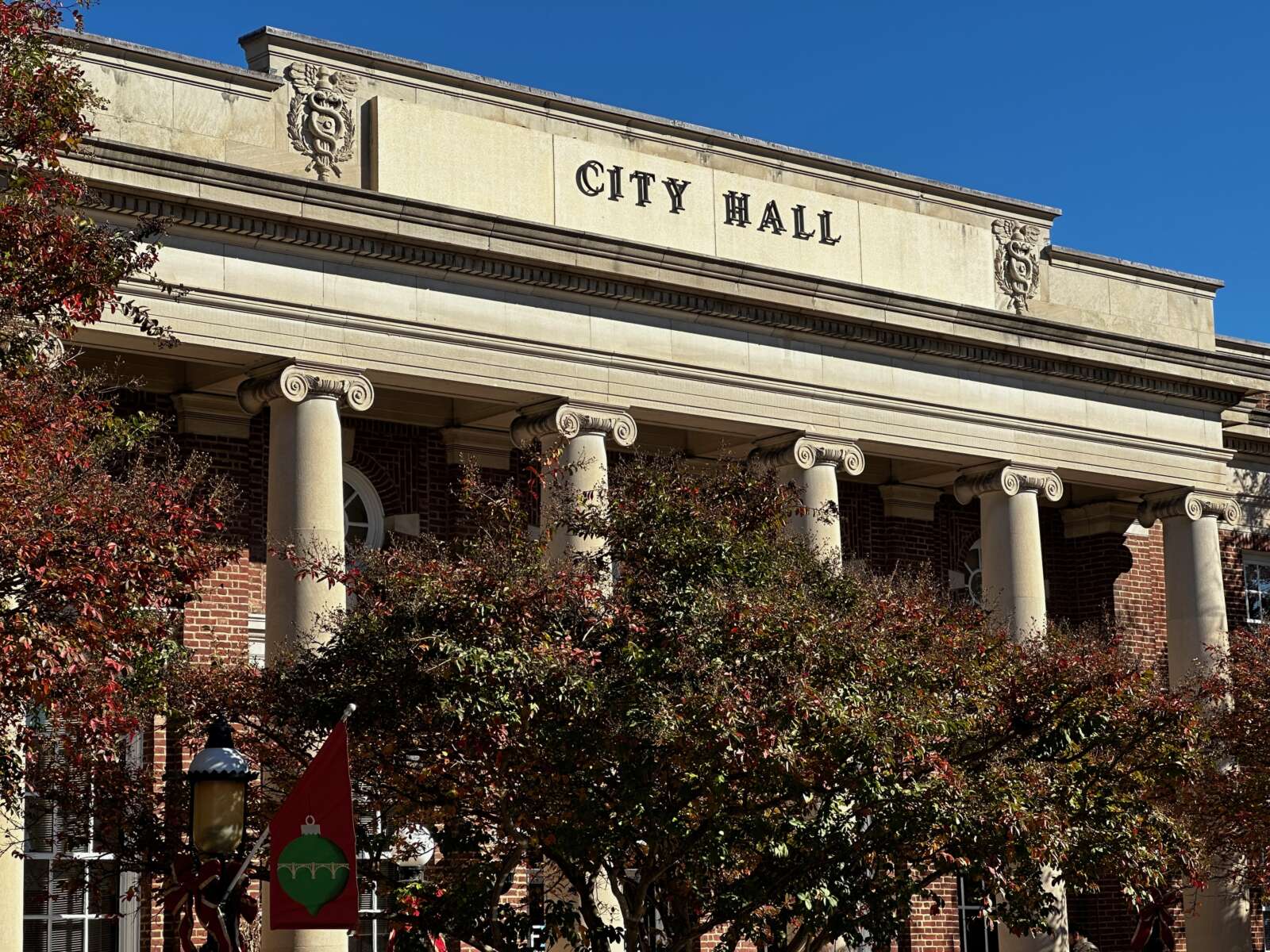
The Fredericksburg Planning Commission held a public hearing on May 27, 2026, regarding the Area 8 Dixon Street/Mayfield Small Area Comprehensive Plan Amendment and Zoning Map Amendment.
The Commission continued the hearing without a vote, directing staff to refine the proposal based on robust community input, particularly around equity, anti-displacement measures, incentives, gateways, and implementation parity with prior plans.
Area 8 serves as a major southern gateway into Fredericksburg, and changes here will influence traffic flow along Route 2, housing availability, and the overall character of one of the city’s most visible entry points. Successful revitalization could deliver new walkable destinations, additional housing options to ease citywide demand, improved trails and multimodal infrastructure like the Dixon Street widening and Dixon Park connector, and economic activity through Creative Maker businesses — all while preserving historic industrial buildings that tell the story of the city’s past.
At the same time, the outcome carries risks and trade-offs that extend beyond Mayfield.
Residents citywide have a stake in whether the city can manage growth equitably, protect vulnerable longtime homeowners from displacement in historically Black neighborhoods, maintain sufficient industrial land for jobs, and avoid repeating gentrification patterns seen elsewhere.
Mayfield holds historical significance as a longstanding Black community in Fredericksburg. Established during the Jim Crow segregation era, it became one of the few areas where blacks could reliably purchase land, build homes, establish churches, businesses, and institutions despite widespread exclusion and racially restrictive covenants that limited opportunities elsewhere in the city.
This history of resilience amid systemic barriers shapes today’s conversations, as residents and the NAACP emphasize the need to prevent the displacement of longtime Black homeowners and renters who have sustained the neighborhood through decades of disinvestment.
The ongoing National Register of Historic Places nomination for northern Mayfield aims to recognize this legacy while providing preservation tools and tax incentives without imposing new restrictions on current residents.
Proposal Overview
The plan updates Chapters 10 and 11 of the FXBG Forward Comprehensive Plan (adopted 2025) for southeast Fredericksburg’s key southern gateway area. This includes the historic Mayfield neighborhood, Dixon Park, the Fredericksburg Fairgrounds, and industrial/commercial parcels along Dixon Street (Route 2/17), Airport Avenue, and the Route 2 corridor.
It proposes rezoning approximately 44 parcels (~33.14 acres) — primarily from Industrial-1 (I-1), Commercial Highway (CH), and one Residential-4 (R-4) — to the Creative Maker (CM) District with the T4M (Maker Redevelopment) transect and associated form-based code regulations.
No existing residences are being rezoned; the changes target commercial and industrial properties. The Fairgrounds would not be rezoned, with existing uses grandfathered.
Background on Fredericksburg’s Creative Maker District
The Creative Maker District is a mixed-use zoning tool developed through Small Area Planning processes to promote adaptive reuse of historic industrial and commercial buildings, light manufacturing/maker spaces, residential infill, and walkable, neighborhood-compatible development. It combines traditional zoning with form-based codes that regulate building form, frontages, scale, and streetscapes.
Previous Implementations:
- Area 6 (Princess Anne Street / Route 1 North / Canal Quarter / Old Mill District): Approved by City Council in January 2019. This established the initial CM District along the northern gateway, covering significant acreage and focusing on revitalizing aging industrial/commercial corridors.
- Area 7 (Downtown Extensions): Further CM rezonings approved around 2020, extending the district along Princess Anne Street and into areas like the Wolfe Warehouse.
- Similar applications have occurred in Small Area 10 and others. Successful examples include adaptive reuse projects and businesses like Sprelly at 1501 Princess Anne Street.
Key Zoning Shifts in Area 8
- Density: 8 units/acre by-right (SUP for higher) vs. CH (12/acre), I-1 (none), R-4 (4/acre).
- Uses: Expands mixed residential, light maker (breweries, light manufacturing, childcare, open-air markets, museums); restricts heavy industrial near residences for better compatibility.
- Form-Based Code: Frontage Type B on Dixon Street and Type E on Airport/Howison/Howard, emphasizing sidewalks, street trees, pedestrian lighting, and building orientation.
- Historic Protections: 21 character structures designated (incentives for adaptive reuse; no demolition ban). Northern Mayfield undergoing National Register survey with tax credits and federal project protections.
Mobility Improvements
- Dixon Street widening/multimodal project (4 lanes + 10-ft shared-use path on commercial side; construction late 2026; no residential takings).
- Dixon Park connector trail to downtown/river.
- Intersection improvements, traffic calming, sidewalks, and pedestrian lighting.
Community and Commissioner Input
Strong turnout from Mayfield residents highlighted support for revitalization balanced with protections:
- Trudy Smith Wilson (Mayfield Civic Association President): Embraced growth but called for enforceable equity protections.
- Sabrina Johnson (NAACP Fredericksburg): Stressed Mayfield’s segregation-era Black history and urged more engagement and anti-displacement strategies.
- Jacqueline White: Advocated for resident-driven, asset-based development.
- Jamie Scully (industrial owner): Highlighted I-1 land scarcity concerns and job impacts.
Commissioners emphasized parity with prior Small Area plans, stronger gateway language, and clearer implementation toolkits. They discussed Neighborhood Conservation Districts as a potential resident-driven overlay.
What Happens Next
The Planning Commission makes recommendations but does not have final approval authority. Staff will refine the plan with visible changes, incorporate feedback, and hold additional stakeholder meetings. Once refined, the Commission will vote to recommend approval (or modifications) to City Council. City Council will then hold its own public hearing(s) and make the final decision on both the Comprehensive Plan amendment and Zoning Map Amendment.
