
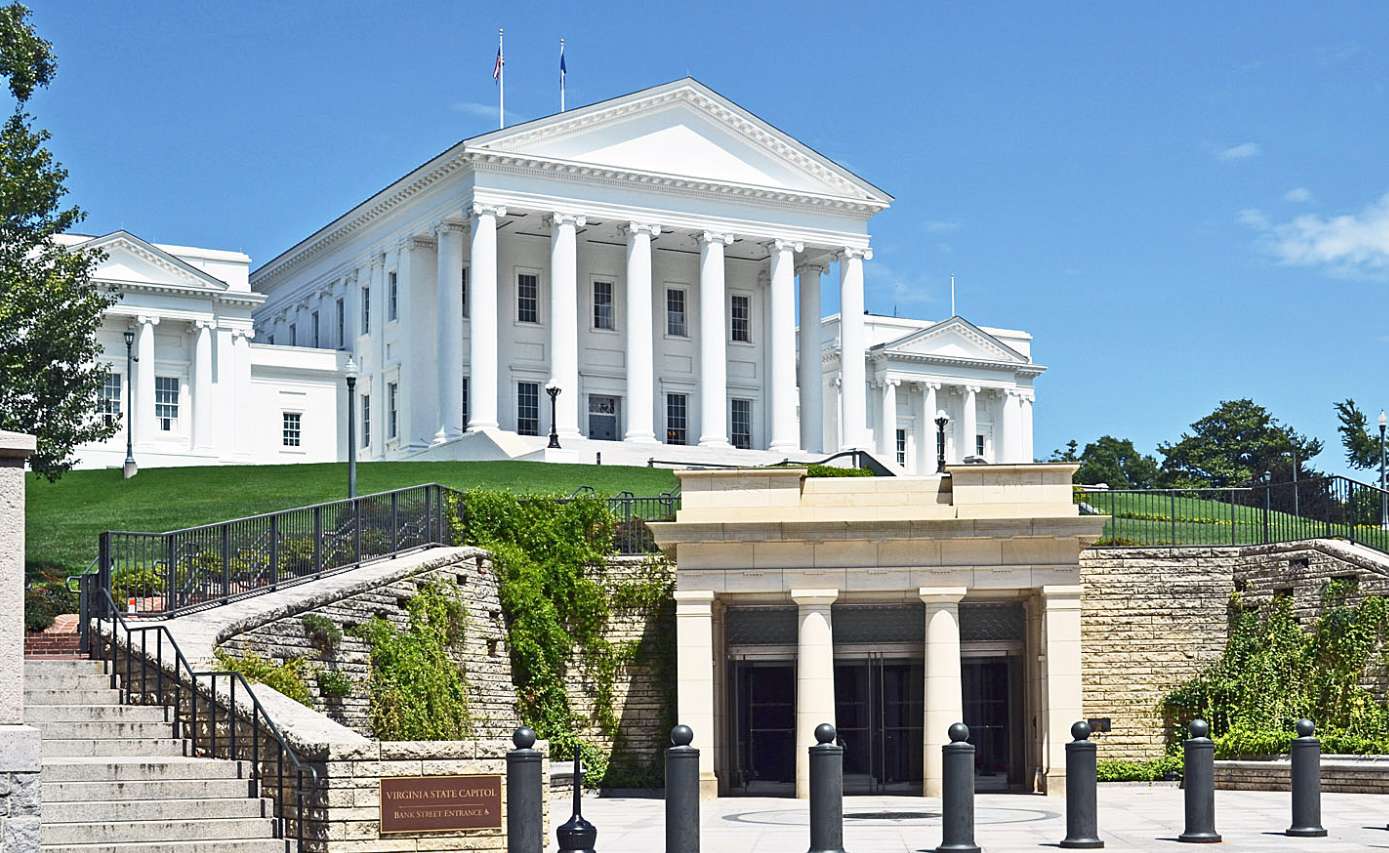
A bill advancing in the Virginia General Assembly would eliminate informal voter eligibility challenges at polling places and through local registrars, instead requiring all such disputes to be resolved in circuit court.
Key Takeaways
Date, time, place: Jan. 30, 2026, Richmond, House Privileges and Elections Committee
- What happened: HB640 was reported from the House Privileges and Elections Committee with a substitute and is awaiting a House floor vote.
- Why it matters: Critics say moving challenges into the court system could slow the resolution of legitimate voter eligibility concerns during active elections.
- Who drove the news: Del. Paul E. Krizek, D–Fairfax County, is the bill’s patron.
Full Coverage
House Bill 640 would change how voter eligibility challenges are handled in Virginia elections by removing the ability for voters to raise challenges at polling places or through local general registrars. Instead, all challenges would be required to proceed through the state’s circuit courts.
The bill, sponsored by Del. Paul E. Krizek, D–16, was prefiled Jan. 13 and introduced Jan. 14. It was assigned to the House Privileges and Elections Committee, where it advanced through the Voting Rights Subcommittee on a 6–2 vote on Jan. 28. The full committee reported the bill with a substitute on Jan. 30 by a 15–7 vote. It has not yet received a vote on the House floor.
Under current Virginia law, a voter may challenge another voter’s eligibility at the polling place, and three voters may challenge a registration through the local general registrar. Those challenges are handled administratively, often by pollworkers or registrars, and can sometimes be resolved the same day, including on Election Day.
HB640 would eliminate both of those processes. Under the proposal, three qualified voters would be required to file a petition in circuit court challenging a voter’s eligibility. The challenged voter would receive notice, and a judge would decide the matter. Any appeal would be filed directly with the Court of Appeals of Virginia on a priority basis.
Supporters of the bill say the change would reduce confrontation at polling places and prevent disruptive or frivolous challenges. They argue that shifting the process to the courts ensures due process and removes pollworkers and registrars from making legal determinations about voter eligibility.
Critics, however, have raised concerns about timing. Elections follow fixed schedules, including early-voting periods, absentee-ballot deadlines, Election Day, and certification timelines. They argue that even expedited court proceedings may take days or weeks, meaning a ruling could come after voting has already begun or concluded.
Under the current system, challenges raised at polling places or through registrars can sometimes be addressed immediately, allowing corrections before ballots are cast or counted. Opponents of HB640 say eliminating those options could make it harder to resolve legitimate concerns in time to affect an election.
The bill does not change who is eligible to vote in Virginia, nor does it alter the state’s voter ID requirements. Virginia law allows a wide range of acceptable identification documents, and voters who lack ID may sign an ID confirmation statement and still cast a regular ballot.
State election policy has increasingly emphasized allowing voting to proceed while deferring eligibility determinations for later review. Supporters of HB640 say the bill aligns with that approach by avoiding real-time challenges that could disrupt voting.
The proposal would apply statewide, including in Prince William County, Manassas, Manassas Park, Stafford County, and Fredericksburg. Local election officials would no longer have authority to resolve voter-initiated eligibility challenges, and circuit courts would become the primary venue for such disputes.
For jurisdictions with high early and absentee voting rates, including Northern Virginia, the shift could change how quickly concerns are addressed during an election cycle. While the bill could reduce disputes at polling places, it would increase reliance on the courts to resolve eligibility questions.
Annual members save nearly 30%. Upgrade today and SAVE, and keep up with the local news and events that matter most to you.
> This article was created with AI assistance and reviewed by Potomac Local News editors for accuracy and clarity.