
On January 7, the U.S. House of Representatives convened for the first session of the 119th Congress and passed H.R. 29, the “Riley Laken Act,” with bipartisan support.
The bill is named in memory of Riley Laken, a 22-year-old nursing student tragically murdered in February 2024 while jogging on the University of Georgia campus. Her assailant, José Antonio Ibarra, a 26-year-old Venezuelan national who entered the U.S. illegally, was convicted and sentenced to life in prison without parole.
Riley’s death ignited widespread media attention and a national debate over immigration policies, focusing on the detention and monitoring of individuals entering the country illegally.
The Riley Laken Act mandates the detention of certain undocumented immigrants arrested for or charged with crimes such as burglary and theft. It also empowers states to sue the federal government for perceived failures in immigration enforcement.
The bill passed the House with a 264-159 vote. Eleven members abstained, while 48 Democrats joined Republicans in support of the measure.
Northern Virginia’s Representatives Divided
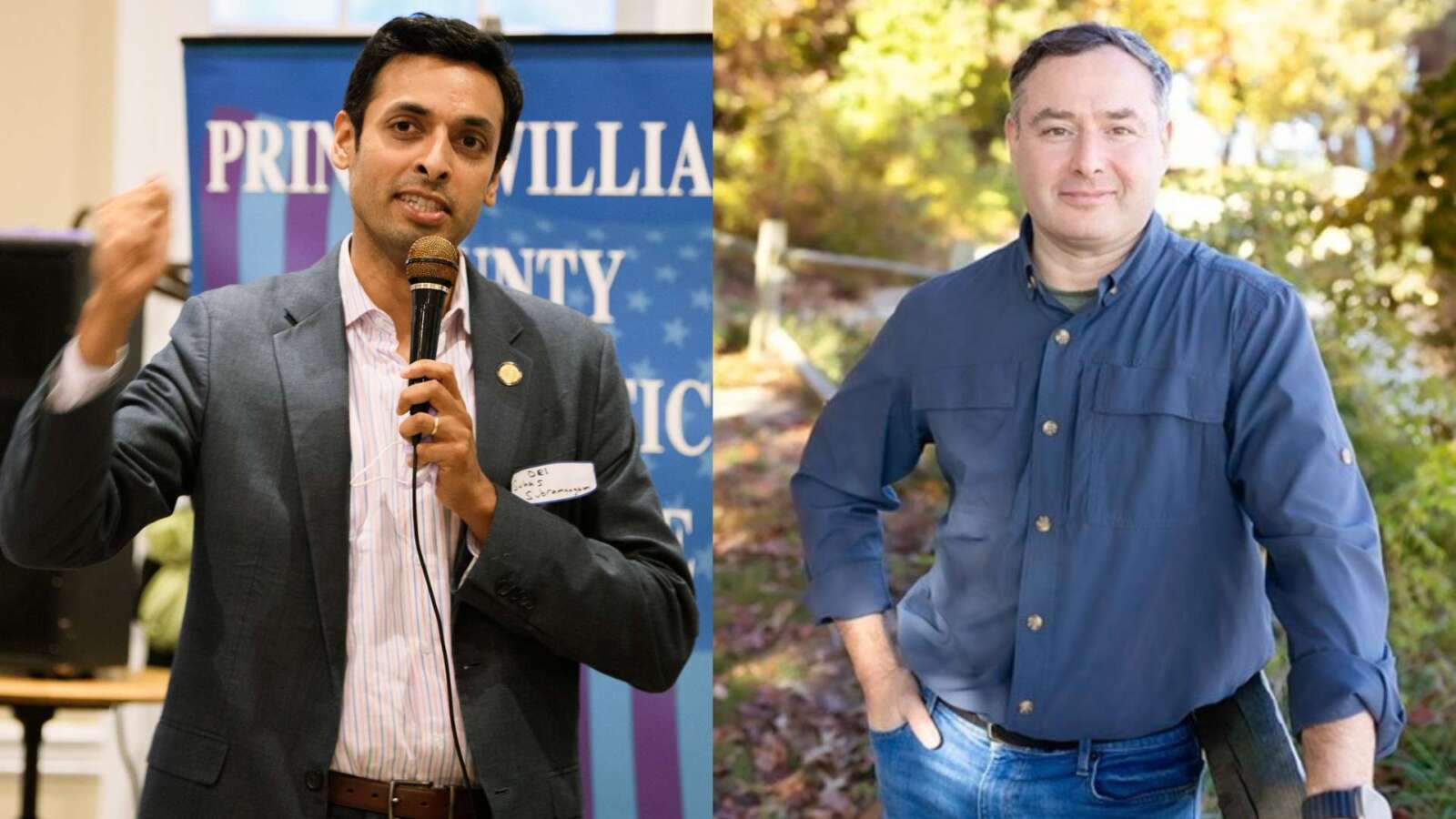
Representative Suhas Subramanyam (D-10, Loudoun, Prince William, Manassas) was among the Democrats who voted in favor of the bill, joining five Republican representatives from Virginia.
Meanwhile, Eugene Vindman (D-7th, Woodbridge, Stafford, Fredericksburg) opposed the legislation. In a statement, Vindman expressed frustration over the lack of collaboration, stating:
“The Riley Laken Act puts additional burdens on our local police without their input or additional funding, overwhelms our corrections facilities, and leaves so many of the most pressing challenges on immigration unresolved.”
Vindman, a University of Georgia alumnus with a family member currently attending the school, emphasized his commitment to bipartisan solutions:
“I voted no today to uphold the right to due process and keep our law enforcement focused on the most pressing issues in our communities, but remain frustrated by the lack of real solutions to our immigration problems. We need to find bipartisan solutions that prioritize securing our borders while providing pathways to legal immigration.”
Vindman narrowly won his seat in the November 2024 election against Republican challenger Derrick Anderson.
Historical Context: Bipartisan Immigration Legislation
The Riley Laken Act echoes the controversy surrounding H.R. 7909, the “Violence Against Women by Illegal Aliens Act,” passed in 2024. That legislation, which garnered support from 51 Democrats, including Vindman’s predecessor Abigail Spanberger, made sexual offenses or conspiracies to commit them grounds for deportation. It also expanded the list of domestic violence crimes that can lead to deportation, including physical or sexual abuse and coercive behavior within close relationships.
After passing the House in September 2024, H.R. 7909 was sent to the Senate and referred to the Judiciary Committee for review.
Both bills underscore the continued challenge of addressing immigration policy, balancing enforcement, and securing bipartisan consensus on pathways to reform.