
The Stafford County Board of Supervisors is considering updates to its salary administration policy to tackle ongoing recruitment and retention challenges in specialized fields like law enforcement, engineering, and planning. The proposed changes come as the county struggles to fill key roles critical to maintaining effective public services.
During a board meeting on Tuesday, Oct. 1, 2024, members deliberated on how best to proceed with the complex policy changes. One of the primary issues discussed was whether the board should hold a work session or proceed with two-on-two meetings to expedite decision-making. The county’s Human Resources Department has been working on these policy recommendations to ensure Stafford County remains competitive in attracting and retaining top talent.
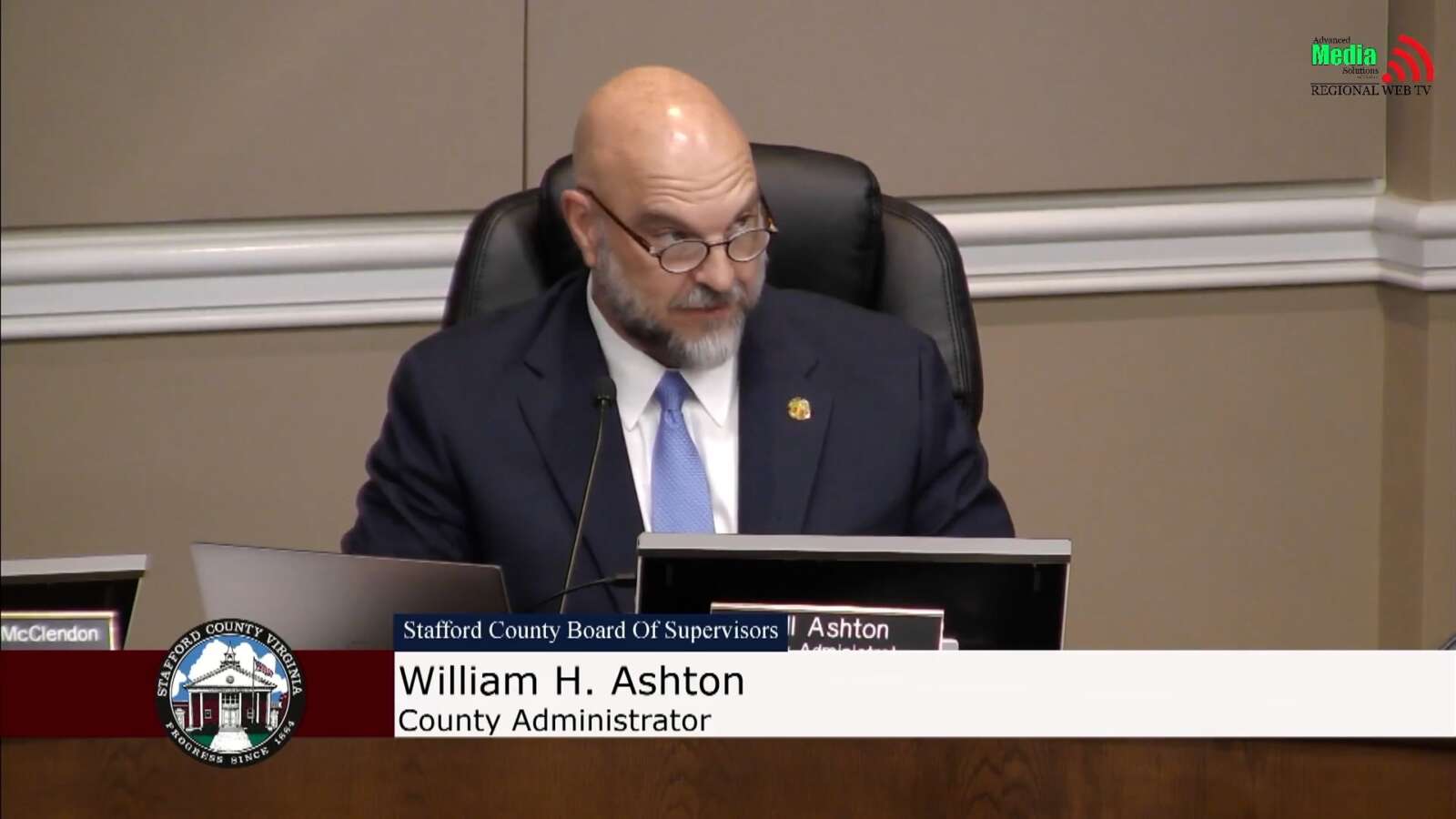
Stafford County Administrator William Ashton emphasized the importance of addressing these staffing shortages swiftly. “We have significant gaps in staffing, particularly in specialized areas like engineers, planners, and law enforcement. Many of these roles require highly specialized skill, and we’ve implemented incentives to help address these staffing crises,” Ashton said. “As my predecessor pointed out, there’s a great opportunity here to build what he called ‘bench depth,’ meaning strengthening our team by filling those gaps. These policies we’re discussing aim to address that, giving us the flexibility to offer targeted incentives where they’re needed most, without applying the same measures across the board.”
The board members had differing views on how to approach the discussions. George Washington District Supervisor Deutay Supervisor Diggs, who is employed as a county sheriff’s deputy, and Griffis-Widewater Supervisor Tinesha Allen supported an entire board work session, allowing all members to hear the same information simultaneously and ask questions in a collaborative environment.
On the other hand, Aquia District Supervisor Gary and others advocated for more minor, two-on-two meetings to allow faster action and more focused discussions. “I think two-on-twos allow us to dive deeper into the policy recommendations and get answers to specific questions,” Gary said.
Ultimately, the board decided to move forward with two-on-two meetings to address the staffing issues more quickly. Ashton noted that while taking a bit more time to explore the policy fully is understandable, implementing the changes sooner would help resolve the staffing shortages sooner.
The county also plans to hold a public hearing on select policy recommendations, allowing residents to share their thoughts. The date for the hearing has not yet been set, but it is expected to take place later this year.