

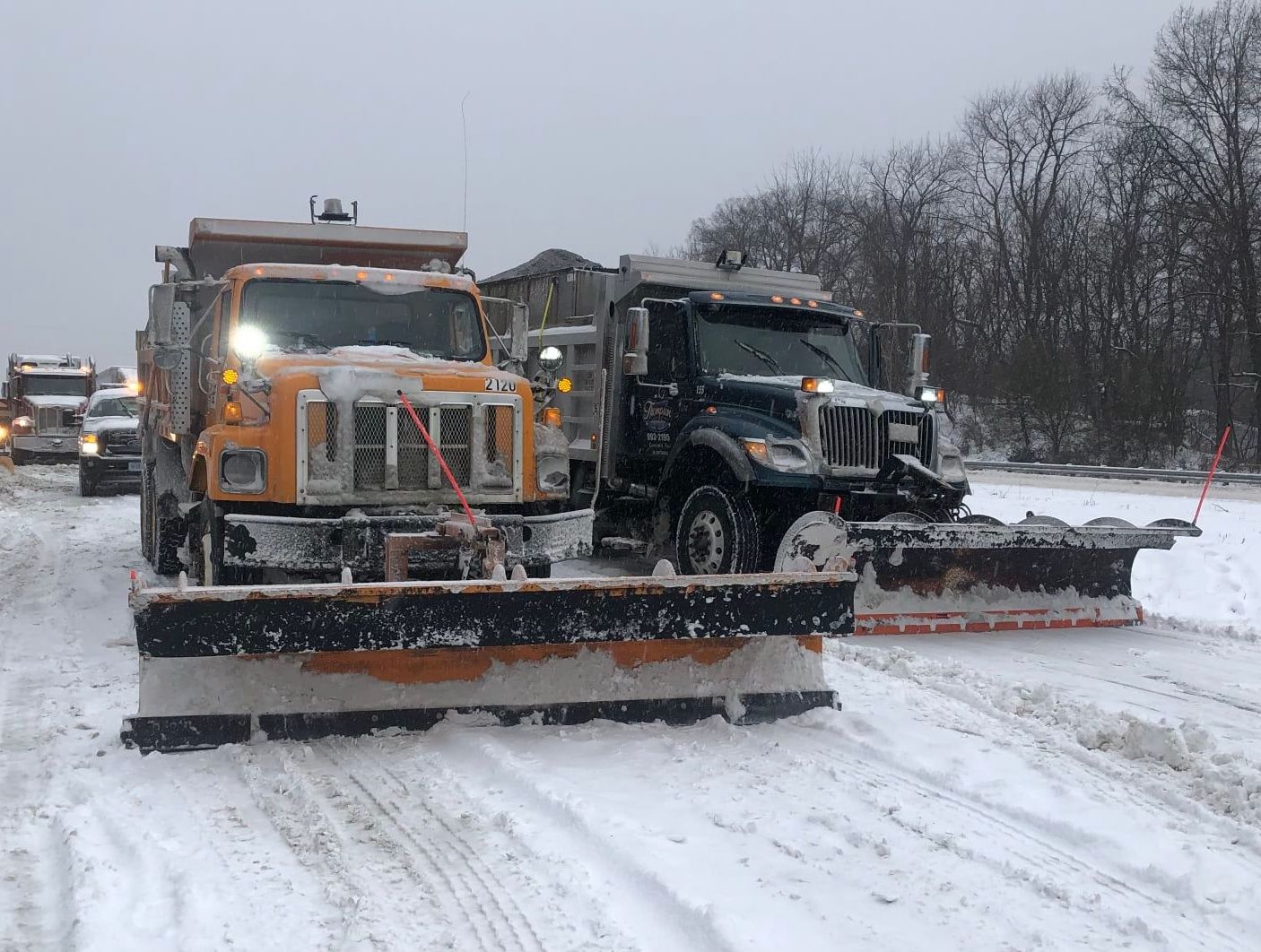
The Virginia Department of Transportation (VDOT) is responding to snowfall over the past 24 hours in the Fredericksburg area and western regions of the Northern Neck and Middle Peninsula. Crews are applying sand and salt to roads, bridges, ramps, and overpasses to enhance traction and minimize icing as pavement temperatures decrease.
Currently, Interstate 95 and primary roads in Fredericksburg and the surrounding district are still clear. However, a VDOT spokeswoman anticipates that this situation will change rapidly as snowfall persists throughout the evening and overnight.
The forecast for the night includes ongoing snow, with a slight possibility of freezing drizzle and sleet as the storm moves northward. The potential for freezing drizzle and sleet is foreseen west of Fredericksburg.
Motorists are advised to avoid travel during adverse weather conditions, as treated roads may still be icy and slippery. Delaying travel until the storm subsides and road conditions improve is recommended. Before embarking on a trip, individuals are encouraged to check road conditions on 511Virginia for the entire route, as conditions may vary across regions. Additionally, staying informed about the latest weather forecasts through various sources is essential.
VDOT crews are on a 24-hour mobilization schedule, working 12-hour shifts until all roads are deemed safe for travel. Plowing operations will commence once snow accumulates two inches on road surfaces. In the Fredericksburg area along I-95, a fleet of 190 trucks and over a dozen monitors, supported by over 400 pieces of VDOT state forces and contractor equipment, is dedicated to treating and plowing roads along state-maintained primary and secondary routes.
Interstate highways are VDOT’s first focus when it comes to snow removal. Primary and major secondary roads with essential emergency and public facilities or high traffic volumes will be cleared, followed by low-volume secondary roads and subdivision streets after higher-priority routes are addressed and additional resources become available.
