

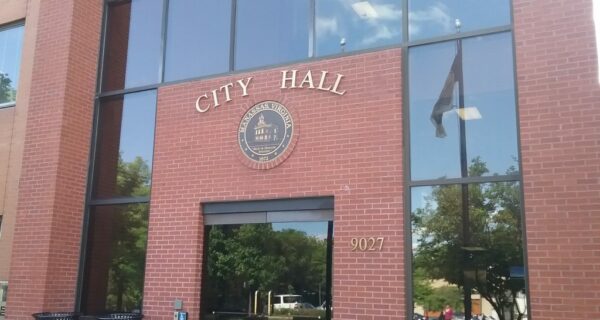
Manassas leaders are asking themselves if they can do more when it comes to bailing out business owners affected by the coronavirus pandemic.
At a city council meeting Tuesday night, leaders suggested taping the city’s $18 million rainy day fund in order to provide relief to businesses. The reserve represents 15% of the city’s general revenue budget and is to be used for emergencies.
The discussion comes as the city has already done things such as provide $60,000 in grant funding, as well as designate special parking spaces for restaurant customers picking up carry-out orders.
“As far as something broader for the community, we have not discussed what that would be, other than delayed some tax payments…”, Pate said.
Nearby Fairfax County got $5.2 million in CARES Act funding. Pate warned the council that if it establishes and funds a relief program now, it cannot use CARES Act funds to restore city coffers later. It’s prudent to wait to see what the city might get before acting, Pate added.
Manassas residents are facing a Real Estate tax increase as leaders hammer out the city’s annual budget.
But the question of what the city should do more, as some councilmembers’ suggest, is largely tied to how much federal stimulus money the city might get from the CARES Act, established in the wake of the coronavirus pandemic.
In the wake of the coronavirus shutdown, the city is bracing for millions in revenue losses. It’s now clear that the coronavirus will continue to leave its mark on the city and its finances for the next few months, at least.
“Our revenue numbers are going to be impacted…,” Pate said.
However, things are looking up for the city’s school division, as it has received a $1 million CARES Act funding.
The uncertainty comes as city leaders try to hammer out a budget for the Fiscal Year 2021, which begins July 1. A proposed $1.44 tax rate on every $100 of assessed property value used to fund the budget is needed if the city is to maintain existing services and planned raises for employees.
At that rate, the budget would not include for proposed projects like a new school, library, or talked about enhancements to restore the historic Annaburg Manor home that dates back to 1892, now a city public park. Pate said he left out those items from the proposed budget based on the direction he receives from the city council during an organizational meeting held earlier this year.
If the council wants to do more, they will need to raise the tax rate, Pate said. The proposed $1.44 tax rate would mean taxpayers would receive an average Real Estate property tax bill of $4,405 up, up about $110 from last year. While the proposed $1.44 rate is lower than last year’s adopted $1.48 rate, increased property assessments mean residents will pay more if the council chooses not to adopt a lower tax rate.
The City Council is expected to approve the budget Monday, May 11.
