

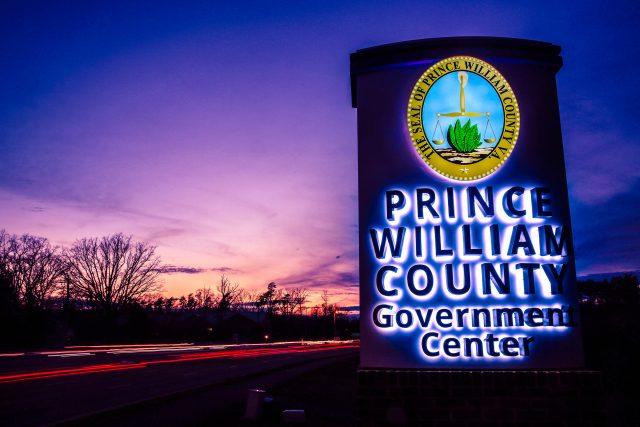
The Board of County Supervisors adopted its 2027 legislative agenda Tuesday, giving county staff authority to begin lining up sponsors in the General Assembly for roughly 125 positions heading into the 2027 session.
Legislative Affairs Liaison Glynn Loope presented the package during the regular meeting. The board adopted it unanimously. Prefiling of bills for the 2027 General Assembly begins with draft requests due to the Division of Legislative Services by 5:00 p.m. Monday, November 30, 2026. Prefiling ends at 10:00 a.m. on the opening day, Wednesday, January 13, 2027. The short session is scheduled to adjourn around February 27, 2027. The county said it would start soliciting sponsors immediately.
The agenda is not an exhaustive list of every issue the county might track. It is the formal set of positions supervisors want conveyed to the county’s state and federal delegations. It continues standing goals of reducing unfunded mandates, supporting vulnerable residents, and creating ways to partner with the Commonwealth.
New or highlighted items this year include changes to off-street parking requirements that stem from 2026 affordable-housing legislation. The county wants clearer rules on what counts as transit operating on a “regular and continuing basis,” so standard bus shelters are not swept into the same parking mandates as higher-frequency service. It also asks that the population threshold be lowered so Prince William can access the same flexibility already granted to larger jurisdictions such as Fairfax.
On transportation contracting, the agenda seeks to raise limits that have been frozen since 2017. The individual architectural and engineering task-order cap for transportation work would rise from $2.5 million to $3.5 million, and the total term-contract cap from $10 million to $14 million. Staff said rising labor and engineering costs now routinely push projects over the old ceilings, forcing separate procurements that can delay design and construction by months. With more than 30 projects in design and a limited pool of on-call firms, the higher limits are intended to let the county use existing competitively selected consultants more effectively.
Other new or elevated priorities listed by Loope and reflected in the adopted document include funding for improvements at the Virginia Railway Express Woodbridge Station (the agenda specifically requests $1 million for platform and related facility work tied to a planned Route 1 pedestrian bridge), funding for the Powells Creek Crossing of the Potomac Heritage National Scenic Trail, updates to e-bike regulation and enforcement, and support for Sudley Road improvements. The package also addresses towing issues among the broader set of positions.
The document further calls for more dedicated funding and greater flexibility for traffic-safety and traffic-calming projects on state-maintained roads, noting that many local priority locations do not currently qualify under existing standards. It also continues monitoring positions on data centers, cannabis, gaming, housing and land-use authority, and the Child Protective Services centralized intake system advanced in 2026.
With the vote complete, county legislative staff can move from drafting to advocacy ahead of the 2027 General Assembly. The next regular Board of County Supervisors meeting is set for Nov. 17.
