
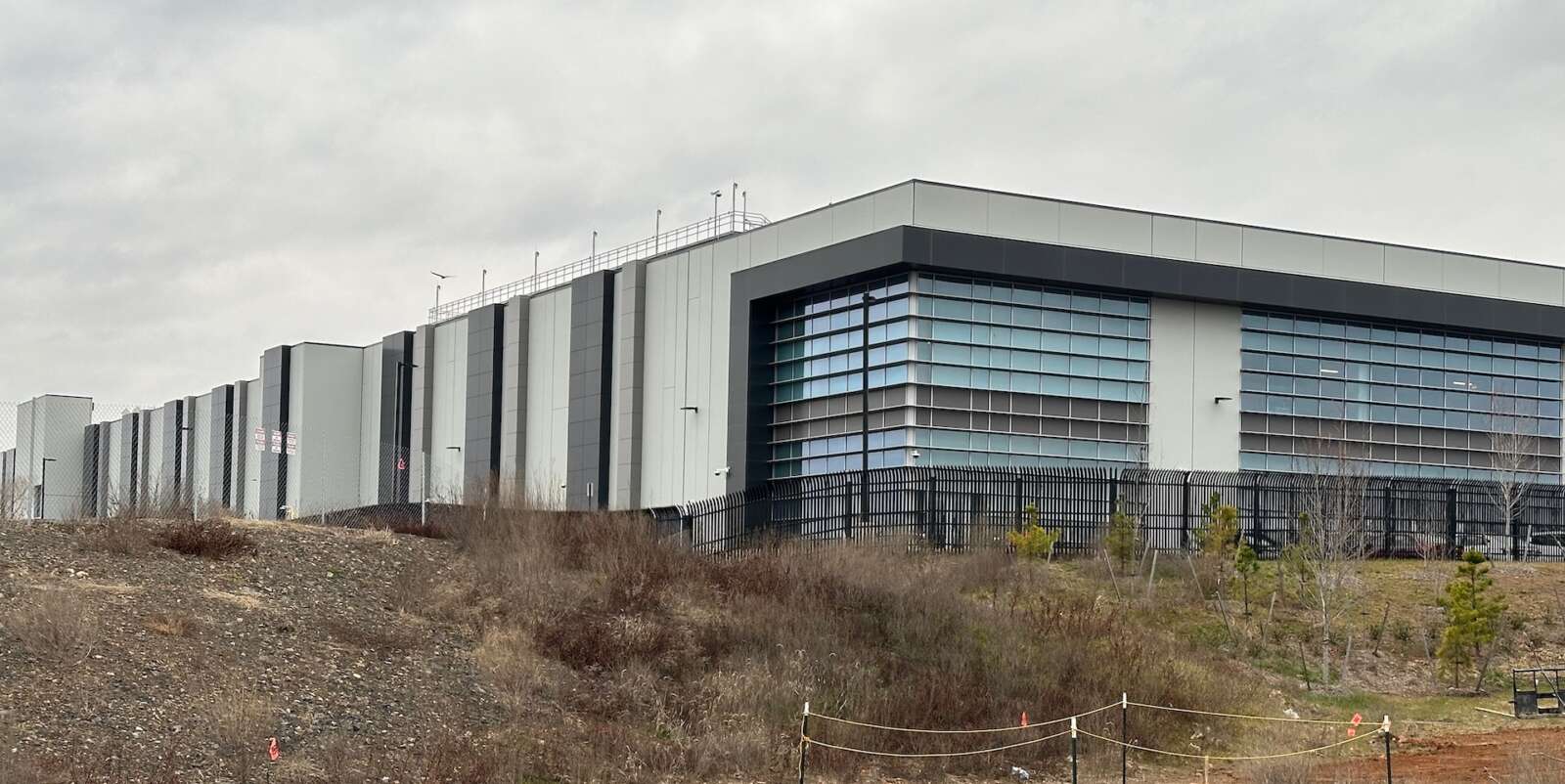
Manassas City Council approved a first reading of a zoning ordinance that tightens development rules for data centers and other large industrial projects, citing noise, appearance, and proximity concerns near residential areas.
Key Takeaways
- Date, Time, Place: Feb. 9, 2026, time not specified, Manassas City Hall
- What happened: Manassas City Council unanimously approved the first reading of a zoning text amendment adding stricter standards for data centers and large industrial uses.
- Why it matters: The changes aim to reduce noise, visual impacts, and conflicts between industrial projects and nearby homes, parks, and childcare facilities.
- Who drove the news: Manassas City Council, following recommendations from city staff and the Planning Commission.
Full Coverage
The Manassas City Council voted unanimously to approve the first reading of Ordinance O-2026-455, a zoning text amendment that establishes new development standards for data centers and other large-scale industrial projects in the city’s I-1 light industrial and I-2 heavy industrial zoning districts.
The ordinance is the result of roughly a year of work by city staff and the Manassas Planning Commission. City officials said the changes are intended to address resident concerns about constant noise, large blank building façades, and the close proximity of industrial uses to neighborhoods in Manassas’s compact, 10-square-mile footprint.
Community Development Director Matt Arcieri told council members that the amendment is intended to formalize requirements the city has already negotiated with individual data center developers. “We’re trying to codify some of the items that we have been able to negotiate up to this point with existing data centers,” Arcieri said.
While data centers were a primary focus of the discussion, the ordinance applies broadly to large industrial uses, including manufacturing facilities, that could create similar impacts. The standards would apply to new development proposals in the affected zoning districts.
One of the most significant changes is a requirement for pre-construction noise studies. Developers must analyze anticipated sound levels and demonstrate compliance with city standards before construction begins. City officials said the provision responds to recurring complaints from residents about low-frequency noise, often described as a constant hum, generated by cooling systems and backup generators.
The ordinance also strengthens architectural design requirements intended to prevent the construction of large, monolithic buildings. New buildings will be required to include variations in materials, colors, and horizontal or vertical elements to break up long façades.
During earlier work sessions, Council Member Ashley Hutson advocated for a specific revision that would make 20% glazing mandatory on façades facing residential areas or other sensitive uses, rather than optional. Hutson said the requirement raises the bar for development in a city where industrial and residential areas often sit side by side. She said the goal is to ensure new facilities “don’t look like a big box with nothing on it.”
Mechanical equipment such as generators and HVAC units must also be fully screened from public view under the ordinance. In addition, the amendment increases setback distances from residential zoning districts, childcare centers, parks, and open spaces to reduce potential conflicts.
Council Member Sonia Vásquez Luna said the ordinance demonstrates how local governments can respond to rapid industrial growth while protecting residents. She described the changes as an example that other Virginia localities could follow.
Council Member Theresa Coates Ellis supported the ordinance but emphasized the need for flexibility as technology evolves. She noted that changes in power generation and cooling technology could affect future impacts from data centers. The ordinance includes provisions for periodic review to account for those changes.
No members of the public spoke on the item during the Feb. 9 meeting, though council members referenced feedback from earlier discussions with residents, particularly related to noise and visual impacts. The vote approved the ordinance on first reading only, with a second reading and final vote expected at a future meeting.
The Manassas action comes amid a broader statewide debate over the rapid expansion of data centers in Northern Virginia, often referred to as “Data Center Alley.” Virginia is home to the world’s largest concentration of data centers, and their growth has brought both significant tax revenue and increasing opposition from residents concerned about land use, energy demand, and quality of life.
Several bills introduced by Sen. Danica Roem, Democrat-Manassas, reflect those concerns at the state level. One measure seeks to classify modern data centers as industrial uses for zoning purposes, limiting their placement near residential areas and requiring increased setbacks and buffers. Another proposal would require localities to address noise mitigation and siting standards for data centers through their zoning ordinances.
Roem’s district includes Manassas and surrounding areas that already host dozens of data centers, and she has cited rising land prices, noise complaints, and threats to historic and residential areas as reasons for stronger oversight. Other Northern Virginia localities, including Loudoun, Fairfax, and Prince William counties, have also moved in recent years to tighten data center regulations or eliminate by-right approvals.
Annual members save nearly 30%. Upgrade today and SAVE, and keep up with the local news and events that matter most to you.
This article was created with AI assistance and reviewed by Potomac Local News editors for accuracy and clarity.