

The pilot funding request was approved unanimously by the MCPS School Board on May 13 and needed to be formally approved by City Council. The Board requested $2 million from its fund balance be used to get the program off the ground.
Council’s approval of this funding went hand-in-hand with its approval of the Board’s purchase of 8700 Centreville Road, where the program would be housed along with the district’s Central Office staff and operations.
While MCPS utilizes the Independence Nontraditional School in Prince William County Schools, the school only accepts around 20 MCPS students each school year. Additional students are moved to online classes.
Board member Sara Brescia said at the mid-May meeting that “this is not intended to replace that program.”
“We are going to continue that relationship. This is to augment our offerings,” she said.
The MCPS program aims to fill a gap it sees in the alternative education space: a local, structured alternative for students in grades five through 12.
“A locally based alternative education program will enhance academic outcomes, improve attendance, support behavioral development, reduce chronic absenteeism and facilitate successful reintegration into the general education environment,” the funding request resolution reads.
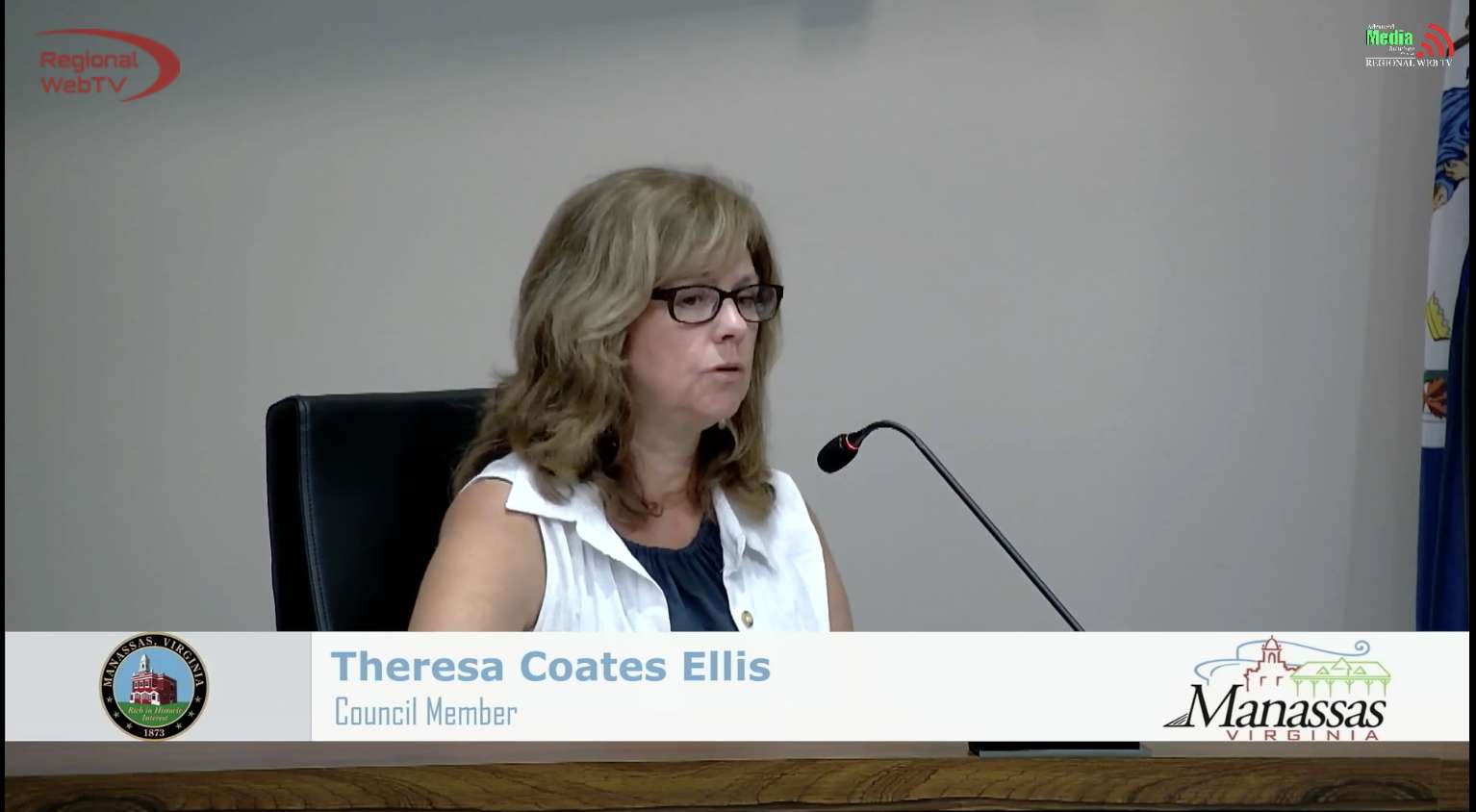
City Councilor Theresa Coates-Ellis was the sole member of Council to push back against the proposal at the July 28 meeting, citing a lack of funding from the General Assembly.
“This pilot program was killed in Richmond. … If they are not willing to fund it, why are we willing to fund it? That’s what I question,” Coates-Ellis said. “… How are we going to determine after a pilot program if it’s successful? It’s up to the education system to evaluate that, not Council, but it will be brought back to us to continue to fund it.”
Her colleagues on Council pushed back, stating this is a needed addition to MCPS’ offerings.
“The reality of the discussion is that yes, we do have some kids in a program with Prince William County. There are not enough slots in that program,” Wolfe noted. “We have students who are going either without services or are receiving services through the Internet. And I think the consensus of the group is … that that is probably ineffective at best because you’ve got the students who need the most attention who are now home on the Internet with no supervision.”
Wolfe said while it’s a pilot and there are no guarantees for success, it’s worth attempting in MCPS.
“We have a need that is not being met and is frankly growing. If we don’t do this, if we are not willing to do something different, we’re going to get what we’ve always got. And I think all of us would agree that it is not acceptable,” Wolfe said.
Coates-Ellis said she’d prefer to wait until the General Assembly’s next session — which begins in January 2026 — to discuss funding at the local level. Councilor Tom Osina said the city must act.
“If we’re going to wait all the time and say, ‘It’s up to the state, we’re not going to do anything unless the state gives us money,’ then there are going to be a lot of things that don’t get done,” Osina said. “Our residents want our schools to perform. If there’s not a place for the kids who are not thriving in a traditional classroom, who need additional help along the way, they’re not going to graduate. And if they’re not going to graduate, then accreditation scores go down for our schools.”
Following comments from her colleagues, Coates-Ellis said the city has to “fight for this” funding from the state in the future.
“If this is truly what we need in our school system to help the children that are falling through the cracks, I think we have to write some letters and really get on people in Richmond and say, We need help,'” Coates-Ellis said. “I will support this pilot program. … We just have to make sure that we have some [funding] help, because if we truly have kids that need the help, it’s going to keep going up and up.”
Council voted unanimously to fund the pilot program. In the mid-May Board meeting, Deputy Superintendent Craig Gfeller, Ed.D., said MCPS will need to undergo a special use permit process following approval, along with renovations to the space, furnish rooms, hire a “significant number of staff,” figure out transportation and food solutions and work with families in the coming months.
