

Stafford County leaders are calling on the state to do more to support a growing veterans’ tax relief program that now costs the county more than $27 million a year in lost revenue.
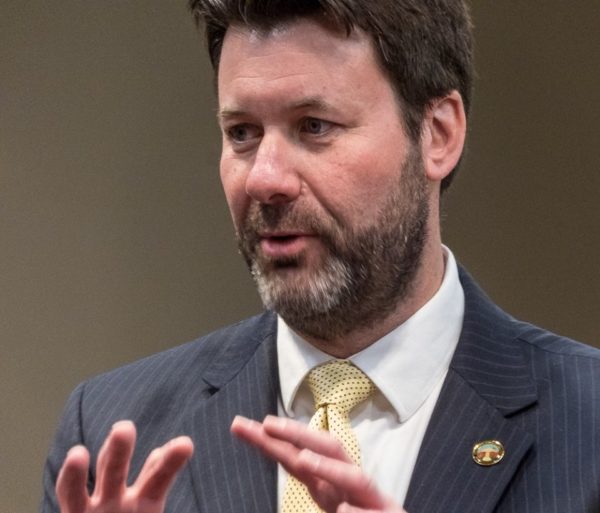
During a presentation at the April 1 Board of Supervisors meeting, Commissioner of Revenue Scott Mayausky said the constitutional amendment creating the real estate and personal property tax exemption for 100% service-connected disabled veterans was not accompanied by adequate guidance or funding from the state.
“This is not about the veterans,” said Mayausky. “This is about our friends in Richmond. We need a partnership with the state to preserve this program.”
Mayausky said administering the program requires the daily efforts of at least two full-time staff members. The state does not reimburse local governments for the administrative costs of managing the program, even though it mandates its implementation.
Stafford exempts $23 million in real estate taxes and another $4 million in personal property taxes annually through the program. Supervisors noted the exemption now represents about 8% of the county’s general fund budget.
Mayausky urged the board to consider pushing for changes at the state level, including clearer laws, updates to official benefits guides, and some form of financial reimbursement. He also warned that discrepancies in how different localities interpret the law can lead to inconsistent applications of the benefit.
“We police this program,” said Mayausky. “We have to check if veterans are claiming exemptions in multiple states, and the rules differ. That makes things difficult for both veterans and administrators.”
Supervisors from both sides of the political aisle echoed support for veterans while expressing concern about the long-term sustainability of the exemption without state support.
Supervisor Monica Gary (Aquia District) said she would like to work with federal lawmakers to explore how similar programs work in other states and potentially identify policy solutions. “It would be helpful to get a national assessment of how these programs are structured,” she said.
Vice Chair Tinesha Allen (Griffis-Widewater District) said she did not support the original constitutional amendment, citing a lack of clarity about its fiscal implications. “No one wants to be the person who opposes a veterans benefit,” said Allen. “But localities like ours are left with the bill.”
Board members unanimously agreed to send a letter to the Virginia Association of Counties (VACO) requesting assistance in gathering national data on how other states manage and fund similar programs.
Supervisor Crystal Vanuch (Rock Hill District) emphasized that veterans should not be discouraged from applying. “You are not the problem,” she said. “Please take the benefits you’ve earned. We’ll work on the policy.”
Stafford is among a growing number of localities feeling the impact of the exemption. According to Mayausky, roughly half the localities in Virginia now exempt more than 1% of their real estate tax base for veterans.
With no slowdown in sight, Stafford leaders say they will continue to push for state reimbursement and policy reform — not to take away benefits, but to ensure the county can continue to serve all residents equitably.
