
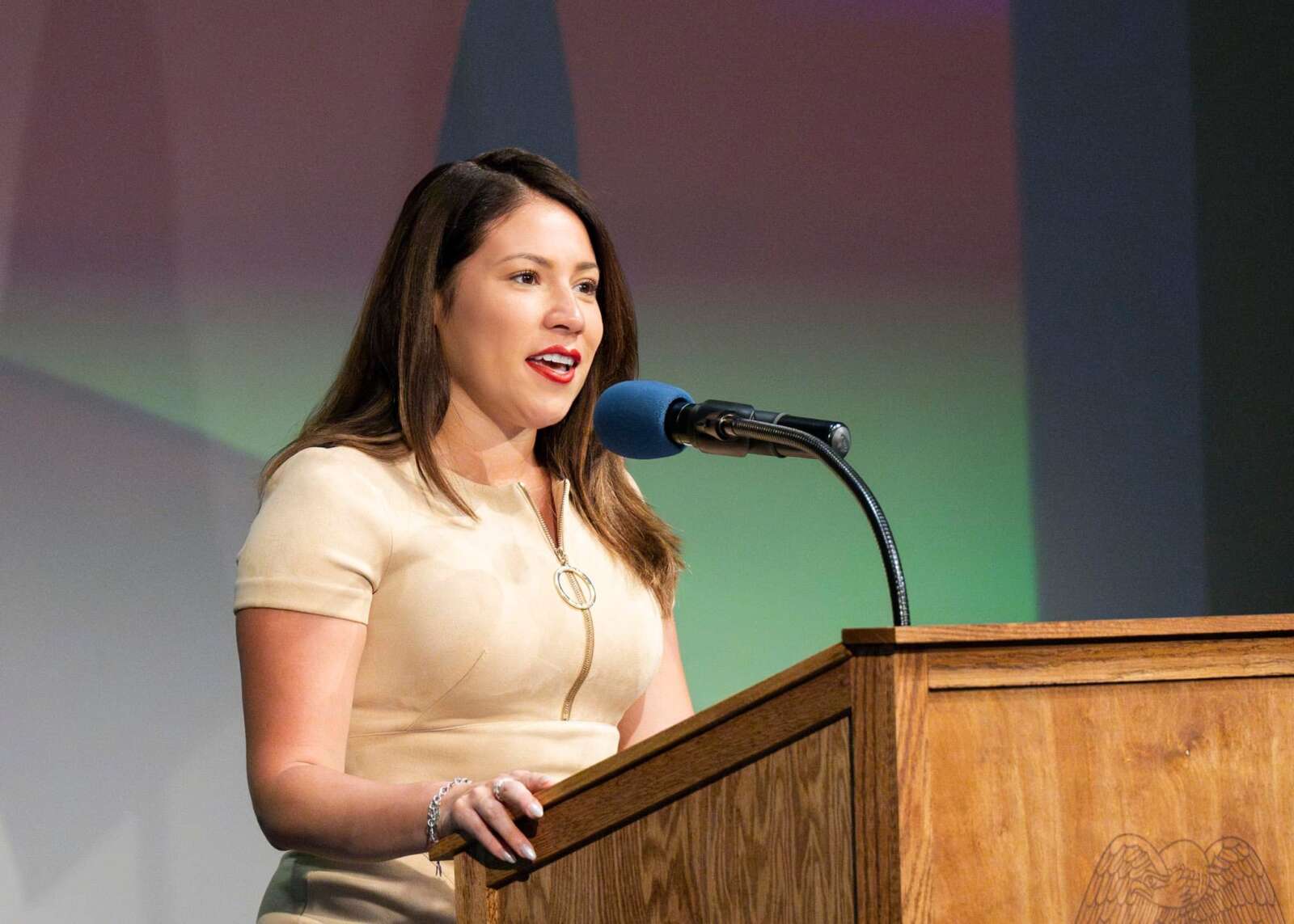
Coles District Supervisor Yesli Vega is pushing to cancel the long-debated Route 28 Bypass project, a multi-year effort designed to alleviate congestion on Route 28 by extending Godwin Drive to connect Manassas with Dulles Airport. The Prince William Board of County Supervisors is set to vote on her resolution during its meeting on Tuesday, February 4, 2025.
A Project Years in the Making
The project, initially endorsed in September 2020, was meant to relieve congestion on Route 28 by constructing a four-lane divided bypass extending Godwin Drive across Sudley Road. The road would have connected with Route 28 at a signalized intersection north of Bull Run Stream in Fairfax County.
The selected plan, known as Alternative 2B, was the top recommendation from the 2017 Route 28 Corridor Feasibility Study. The project had received $89 million in funding from the Northern Virginia Transportation Authority (NVTA) as part of a broader effort to improve the county’s transportation infrastructure.
However, as development progressed, the county encountered significant obstacles, including:
- Difficulty in acquiring land inside and outside Prince William County, leading to potential legal disputes over property condemnation.
- Environmental, utility, and historic preservation concerns complicated construction.
- High costs and engineering challenges, particularly regarding bridge and retaining wall designs.
In October 2023, the county attempted to salvage the project by exploring Modified Alternative 2A, a version that would have followed the same route but turned east to rejoin Route 28 south of Bull Run. While this alternative kept the project within Prince William County’s jurisdiction, it ultimately proved even more expensive and disruptive, failing to deliver the intended benefits.
Why Cancel the Project?
Supervisor Vega and other proponents of cancellation argue that continuing the Route 28 Bypass is no longer a viable solution. The county’s transportation staff has recommended ending the project, citing mounting financial and logistical barriers.
The $89 million in funding allocated from the Northern Virginia Transportation Authority (NVTA) for the bypass has already seen over $6.5 million spent on planning and early development. If the project is canceled, there is a possibility that NVTA may request repayment of its reimbursements with interest, requiring further financial negotiations.
Vega specifically cited concerns about the impact on working-class communities along the proposed bypass route, stating:
“The Loch-Lomond and Yorkshire neighborhoods in addition to the Bull Run Trailer Park lay right along the proposed alignment for the bypass. These are very working-class neighborhoods with significant Hispanic and minority populations where the average home value is not even half the county average in many instances.”
She also emphasized the human cost of the project, adding:
“With little consideration for residents, over 70+ homes in the Coles District would be affected, displacing families from their homes and forcing taxpayers to fund millions of dollars for a project that does not solve the problem of 28 being less congested than it is today. This is why I have opposed the Route 28 Bypass Project.”
Supporters of Vega’s resolution believe canceling the bypass will:
- Open the door for alternative congestion relief solutions
- Avoid further disruptions to homeowners and environmentally sensitive areas
- Provide flexibility in reallocating remaining funds toward cost-effective, innovative transportation projects
What’s at Stake?
Opponents argue that without the bypass, congestion on Route 28 will continue to worsen, particularly for commuters traveling between Manassas, Centreville, and Dulles. Local businesses that rely on efficient transportation networks may also feel the strain if alternative solutions are not identified quickly.
Moreover, residents along Route 28 have long expressed frustration with traffic bottlenecks. Many supported the project when it was included in the 2019 Mobility Bond Referendum, raising concerns that abandoning it now might betray voter expectations.
What Comes Next?
If the board votes to cancel the project, county transportation officials will begin exploring other congestion relief measures, though no concrete alternatives have been proposed yet. Discussions will likely center around enhanced public transit options, road widening initiatives, and improved traffic signal coordination.
The Prince William Board of County Supervisors meets at 2 p.m. at the Prince William County Government Center, 1 County Complex Court in Woodbridge.