

Virginia plans to sit out a new federal scholarship program in 2027, though residents could still get a tax break for donating to approved scholarship organizations in other states, The Center Square reported.
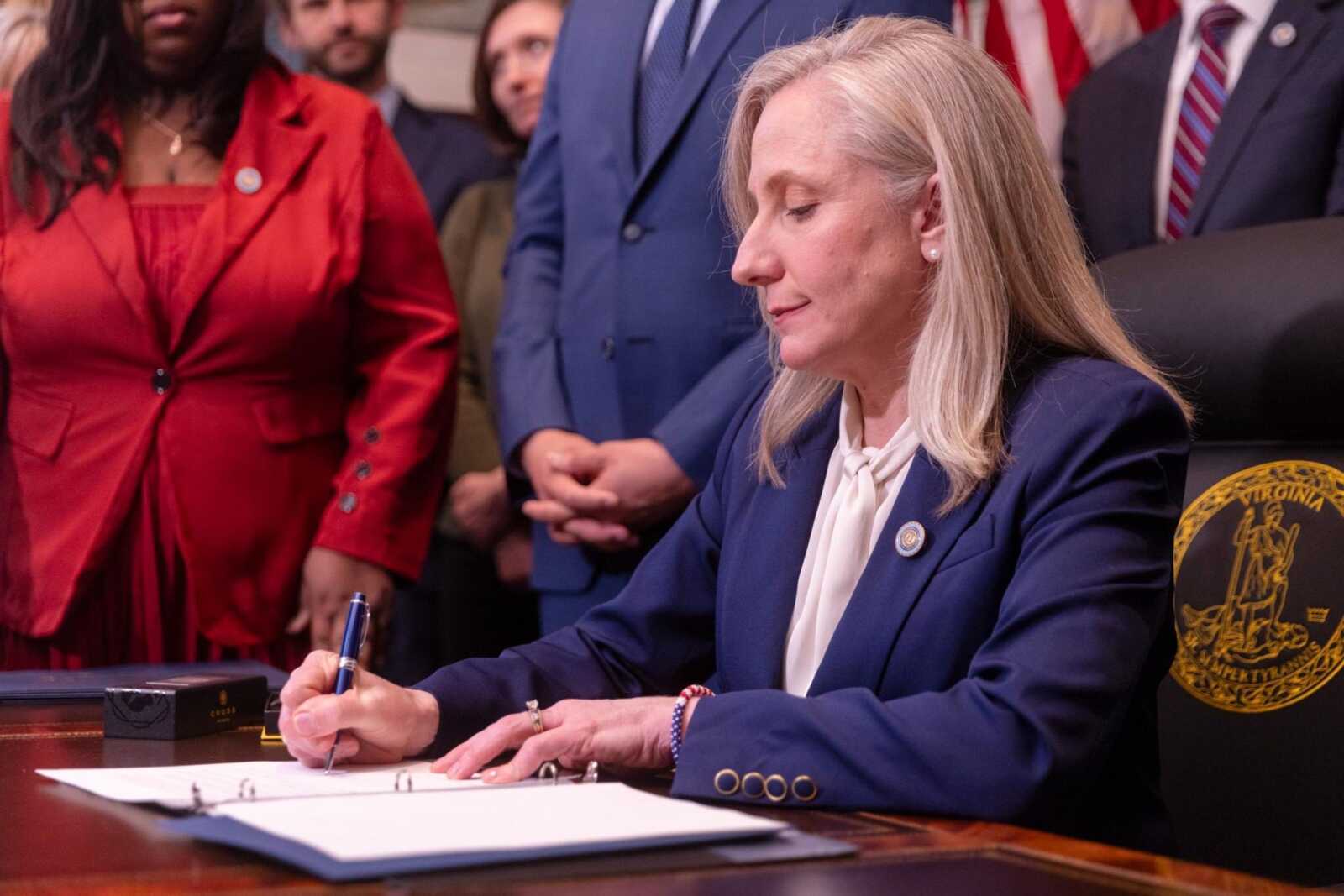
“Public money should go to public education,” Gov. Abigail Spanberger’s office said in a statement Monday.
Spanberger’s office said she would not finish the enrollment process started by former Gov. Glenn Youngkin. The office said the administration has yet to see evidence that the program would benefit Virginia’s public school students, and that it would watch how the program affects students, families and schools in other states.
The governor’s office pointed to $2 billion in new education funding in Virginia’s two-year budget for 2026–28 and said Spanberger would continue to focus on giving public schools the resources they need.
Youngkin’s administration filed the initial paperwork, and the IRS lists Virginia among the states that took that step. Under temporary rules from Treasury and the IRS, Virginia would have to submit a list of qualifying scholarship organizations by Feb. 15 to participate in 2027. Without that filing, no organization in Virginia would qualify for the program that year.
U.S. Treasury Secretary Scott Bessent said Sunday on social media that federal law requires Virginia to finish the process. Treasury and the IRS have said a state that filed an advance election could effectively opt out by not submitting its list of qualifying scholarship organizations.
The IRS says eligible taxpayers can claim a federal income tax credit of up to $1,700 for qualifying cash donations made starting Jan. 1. Taxpayers can give to approved scholarship organizations in participating states regardless of where they live. Under federal law, eligible K-12 students, including public school students, can receive scholarships for expenses such as tuition and tutoring.
Lt. Gov. Ghazala Hashmi backed Spanberger’s decision, saying the program would draw resources away from Virginia’s public schools. The Virginia House Republican Caucus called the decision “a betrayal,” saying the program would help students without affecting state funding for public schools.
