
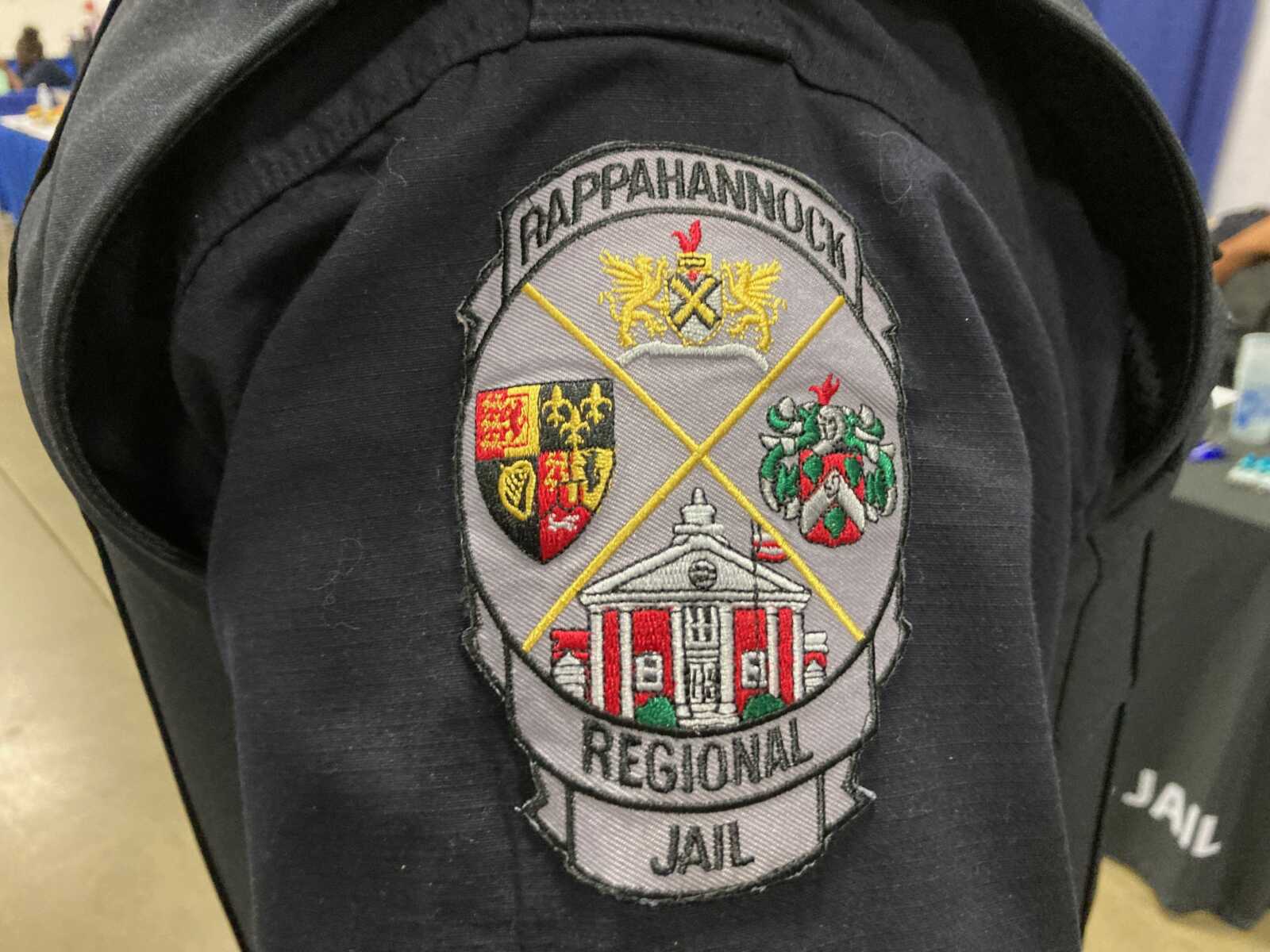
The Fredericksburg Free Press published an exclusive this weekend about hundreds of people who spent time under ICE custody at the Rappahannock Regional Jail in Stafford County before being deported. The numbers are real. The data comes from ICE records. And the story still managed to leave out the most basic fact.
These individuals were held because they were in the country illegally.
That is a violation of federal immigration law. The Free Press treated it almost as a technicality. The article repeatedly stressed that 67 percent had no criminal record beyond their immigration status and that 90 percent had never been charged with a felony.
Those figures are accurate. They are also incomplete. Unauthorized presence itself is the reason ICE issued detainers and the reason these people ended up in the deportation pipeline. Soft-pedaling that point is not neutral reporting. It is a choice.
The piece devoted considerable space to jail conditions—one microwave for 60 inmates, complaints about food quality, and the personal account of a man deported to El Salvador. Those details matter. American jails are not pleasant places.
But they also provide three meals a day, shelter, and medical screening that many of the countries these individuals left do not guarantee. The Free Press framed the conditions as evidence of a system gone wrong. It spent far less energy on the predicate: these people were subject to removal because they had no legal right to be here.
Then there is the money.
The Free Press noted that revenue from a federal Bureau of Prisons contract at the jail roughly doubled in early 2025, rising from about $65,000 to $151,000 a month as more ICE detainees came through. That is true. It is also only half the ledger.
In 2024, the jail took a direct hit when the FCC capped inmate phone and video rates and eliminated the commissions jails had long received. Superintendent Kevin Hudson told the Jail Authority Board the facility would lose $1.75 million “immediately.”
That shortfall, combined with staffing and operating costs, led the jail to ask its four-member localities for substantially more money. Stafford’s share was projected to rise by more than $2 million. Spotsylvania, Fredericksburg, and King George also saw increases. Stafford later confronted a $1.9 million mid-year shortfall in its jail contribution and had to reallocate one-time funds to cover it.
So the full picture is straightforward. The jail needed money. It received additional federal revenue through the Bureau of Prisons contract for housing detainees. At the same time, it continued to require higher contributions from the local jurisdictions that actually fund the facility. The federal dollars did not erase the local burden. They simply offset part of it.
This distinction matters. When local leaders talk about government spending, they are often careful to separate “federal money” or “state money” from local tax dollars. In this case, the new revenue the Free Press highlighted was federal. The larger ongoing pressure on Stafford and the other member localities was not. Leaving that context out makes the federal contract look like a pure windfall rather than one piece of a more complicated funding picture.
Stafford County itself raised real estate taxes effective July 1, 2026. As we reported, supervisors adopted a rate of $0.9675 per $100 of assessed value — one of the steeper recent jumps for the county. According to figures cited by Supervisor Crystal Vanuch and drawn from the Commissioner of the Revenue, the average homeowner with a property assessed under $500,000 saw their annual real estate tax bill climb from $2,994 in 2021 to $4,764 under the new rate, an increase of $1,770.
Residents at the meeting described the cumulative effect of successive hikes as unsustainable. The jail is one of several entities, along with the schools, that keeps returning to the same local homeowners for more money. That context matters.
None of this requires denying that detention conditions can be improved or that individual stories of hardship exist. It does require honesty about the sequence of events. People were held at the Rappahannock Regional Jail under ICE detainers because they were present in the United States without authorization.
The jail faced real revenue problems and received both federal bed money and higher local contributions. The Free Press told the parts of the story that fit a particular narrative. It left the rest on the cutting-room floor.