

The Citizens Transportation Advisory Committee (CTAC) for the Fredericksburg Area Metropolitan Planning Organization (FAMPO) met on Wednesday, June 10, 2026, and recommended priority rankings for SmartScale state funding applications. The committee approved separate lists for the George Washington Regional Commission (GWRC) regional projects and FAMPO projects. These focused on intersection improvements, minor road widening, and new connectors.
The recommendations will go to the FAMPO Policy Committee for final action. Projects target the 2033-2034 six-year plan window.
SmartScale Process and Background
The Office of Intermodal Planning and Investment (OIPI) recently required applicants to rank projects for the competitive SmartScale program, which funds transportation improvements based on performance and benefits. FAMPO and GWRC each submit about four projects per cycle, primarily from Stafford and Spotsylvania counties, which generate the most competitive applications on high-priority corridors.
Staff noted that while jurisdictions can submit up to four projects independently, a gentleman’s agreement typically guides regional selections for competitiveness. CTAC provided citizen-perspective input on priorities, emphasizing local impact, throughput, safety, and development needs rather than technical scoring. Projects involve studies, minor widenings, turn lanes, and connectors rather than large-scale expansions.
GWRC Regional List Recommendations
CTAC ranked the following for the GWRC/regional list:
- Germanna Point Drive extension — A new connector between the Stafford Avenue/Spotsylvania Avenue area and the Germanna Community College area (10000 Germanna Point Drive, Fredericksburg, VA 22408). Members highlighted its potential to relieve local traffic from I-95 backups.
- Warrenton Road widening — A short section between Stafford Lakes Parkway and the Walmart/Geico area (Warrenton Road/Route 17 in Stafford County).
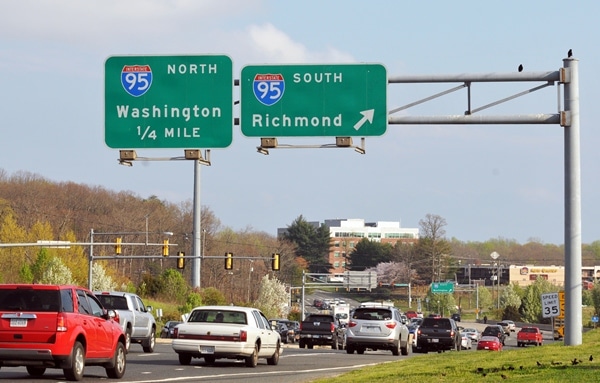
- I-95 Southbound widening — Focused on capacity improvements in a key regional corridor (from Exit 130 to Exit 126).
- US-17/Tidewater Trail improvements — Widening and intersection work near the New Post area and developments in Spotsylvania County.
FAMPO List Recommendations
For the FAMPO list, rankings were:
- Garrisonville Road improvements (Paths Study / targeted improvements) — Widening and intersection improvements along a major east-west thoroughfare (Route 610/Garrisonville Road) from the Stafford Marketplace area, addressing choke points near I-95, commuter lots, and retail.
- Route 1 / Roxbury Mill Road / Mud Tavern Road intersection improvements — Targeted safety and turning movement changes near the Kalahari development in Spotsylvania County (Thornburg area).
- Route 208 (Courthouse Road) / Levels Road Pipeline Study — Corridor improvements and intersection study in Spotsylvania County.
- Warrenton Road Paths — Series of intersection improvements with minor widening by removing bump-outs to create through lanes.
Debate Focused on Impact, Development, and Concerns
Discussion balanced regional throughput against local needs and environmental impacts. Members stressed development pressures, such as new schools, approximately 1,500 new homes, commercial growth, and the Kalahari project, a major indoor waterpark opening later this year.
Danté Braden advocated for the Germanna Point Drive extension, stating it would have “a bigger impact today” by diverting local traffic from I-95.
Joe Brito supported Warrenton Road priorities due to nearby growth: “There are two new schools that are opening up in August, and there are probably another 1,500 homes.”
Garrisonville Road was described as a significant choke point connecting disparate parts of Stafford County amid retail and commuter traffic.
Some members raised environmental and design concerns about the I-95 widening. Rupert Farley opposed certain widenings, noting they could encourage “more environmental damage” and represented “kicking the can down the road.” He expressed mixed feelings about broader river-crossing proposals but participated in the rankings.
Proffer discussions arose for the Roxbury Mill/Mud Tavern intersection, with multiple developers having committed contributions. Members debated whether public funding might affect private obligations, noting the possibility of cash payments if SmartScale proceeds first.
Voting proceeded through motions, substitutes, and show-of-hands, resulting in balanced rankings with Spotsylvania and Stafford projects alternating across lists. Staff noted possible multiple fundings in strong years and opportunities for later design adjustments.
What SmartScale Funding Means for Local Roads
SmartScale supports targeted improvements that demonstrate clear benefits in congestion relief, safety, and connectivity. For local roads in the FAMPO region (covering Fredericksburg, Stafford, and Spotsylvania), these rankings help position projects for state resources in the constrained long-range transportation plan (CLRP) process. Projects originate from local comprehensive plans and require ongoing jurisdiction support.
Implications for Residents and Next Steps
Stafford residents could see relief at key east-west routes like Garrisonville Road and Warrenton Road, easing pressure from retail, commuter, and residential growth. Spotsylvania residents may benefit from the Germanna Point connector and Roxbury Mill safety improvements amid Kalahari and other developments. Regional benefits include potential reductions in I-95 backups through better local connections.
The recommendations reflect citizen input into a broader planning process amid projected growth to 614,620 people in the GWRC district by 2055. The FAMPO Policy Committee will consider the rankings at its next meeting. Approved projects would advance toward the 2033-2034 six-year plan, subject to state review and negotiations.
No public comments were received at the CTAC meeting. The committee also handled routine business, including approving prior minutes, electing new officers (Al Watkins as Chair, Tim Welsh as Vice Chair), and receiving updates on the Complete Streets Plan and VDOT projects.
