

At a June 10, 2025, City Council meeting, Finance Director Amanda Sicks reported that meals tax collections are up 4.6% compared to the prior year, and sales tax is flat but stable.
“Meals tax is showing resilience,” Sicks said, noting a rebound in recent months following earlier delays in vendor filings. “But with sales tax flat and foot traffic down, we’re monitoring trends closely.”
The city is on track to close FY25 with a $2.9 million surplus, supported by strong real estate and personal property tax receipts. However, Sicks emphasized that sales and meals taxes are early indicators of local economic activity and should not be overlooked.
Rising Rents, Fewer Shoppers
Downtown businesses are grappling with more than just tax numbers.
In May, the popular Caroline Street restaurant Juan More Taco announced its closure after 12 years in business. Owner Jimmy Kilroy said the decision came after the business was unable to reach a lease agreement with its landlord.
“I’m grateful for the community that showed up for us,” Kilroy said. “We wanted to stay, but we couldn’t make it work with the landlord.”
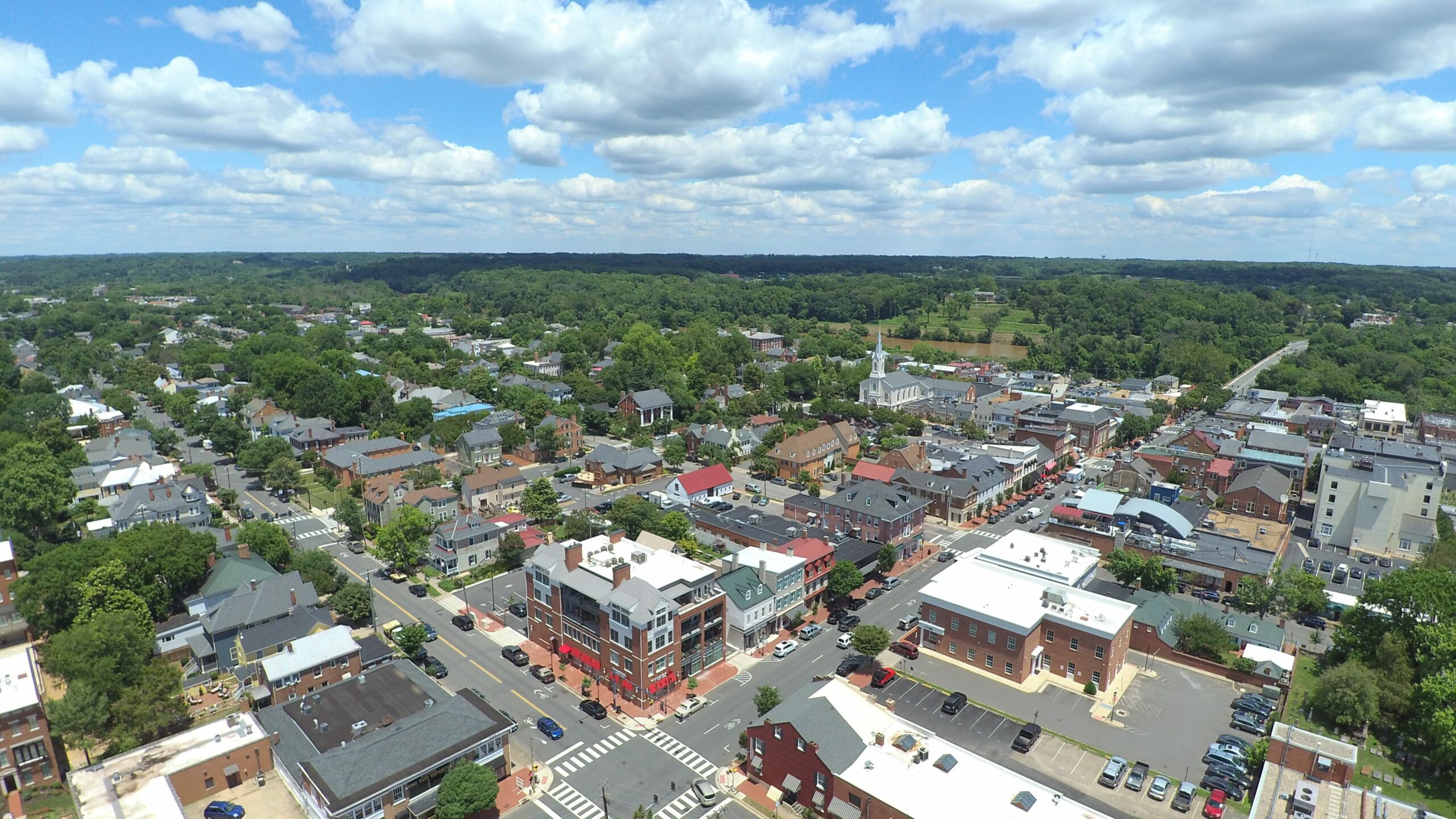
Other businesses are voicing concern about rising commercial rents and the difficulty of drawing in customers. Morgan Wellman, owner of Sugar + Spruce bath and body shop on Caroline Street, told the FXBG Advance she’s seen more vacant storefronts this year than at any time in her 13 years downtown.
“Our lease is coming up for renewal, and the landlord has warned us about rising maintenance costs,” she said. “Margins are already tight, and it puts a real strain on people.”
According to Allison Graves, a broker with Coldwell Banker Commercial Elite, commercial rents in downtown Fredericksburg have climbed dramatically over the past three years. Retail spaces that leased for $12–$18 per square foot in 2022 now command $15–$22. Restaurant spaces have seen even sharper increases—jumping from $40–$45 per square foot to as much as $70 per square foot for high-visibility locations.
“The combination of increased tourism, residential growth, and investment in downtown has contributed to this upward pressure on rents,” Graves told the Advance. “There’s also been a shift in tenant expectations and willingness to pay a premium.”
But businesses say those rents are harder to sustain when foot traffic is down.
Economic Caution and Missed Opportunities
“Foot traffic was especially slow in the first quarter,” Wellman said. “It’s picking up now with summer, but it’s a slow climb.”
Chris Allen, Executive Director of Fredericksburg Main Street, confirmed that trend, noting a 4% drop in foot traffic in 2025 compared to last year.
“We’re seeing people being more conservative with their money,” Allen said. “And we’re seeing less foot traffic, especially during the week.”
Allen noted that downtown foot traffic often increases between 6 and 9 p.m., but many shops close before that—meaning they miss the surge entirely.
At the June 10 council meeting, Ward 1 Councilor Jason Graham said he believes these shifts should inform city policy. “We need to think about how our tax structure and programming can support small businesses during slower periods,” he said.
Vice Mayor Charlie Frye, Jr. added that supporting adaptive hours and improved safety on trails and downtown streets could help encourage more visitors during evenings.
Ward 2 Councilor Will Mackintosh raised concerns about hitting the city’s environmental and economic goals if commercial pressures continue to mount. “We’re trying to build a vibrant, sustainable city, but that has to include making downtown viable for small businesses.”
Councilor Jannan W. Holmes (Ward 4) said that while revenue data shows small gains, the city shouldn’t overlook the lived reality for local merchants. “Just because the numbers look okay doesn’t mean people aren’t struggling,” she said.
Mayor Kerry Devine closed the discussion by acknowledging that the post-pandemic focus on supporting small businesses must continue. “The importance of shopping local hasn’t gone away,” she said. “If we want to preserve the character and diversity of downtown, we all have a role to play.
