

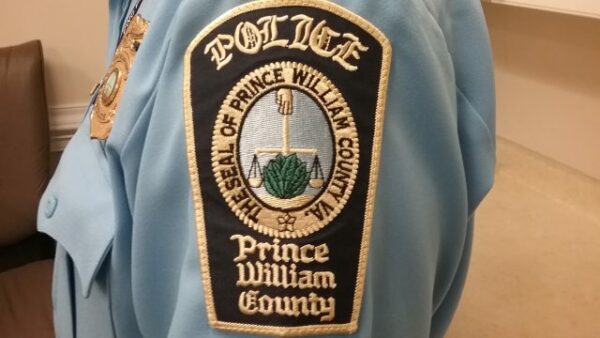
Prince William police officer Marcia Whaley hosted a webinar Thursday, April 16, raising awareness on the scams relating to the coronavirus pandemic.
In her 30 minute presentation, Whaley detailed the types of scams residents facing residents. The one universal message during the online session: no one is safe from scammers.
Citizens and business owners have been reporting their stories of scams to police across the U.S. Many of the treats come in the form of a robocall.
“You might spot some business scammers where some will ask for your social security number or your financial information. Maybe guarantee some type of access to COVID-19 vaccines. Remember, there still is not a vaccine. We don’t have one yet,” said Whaley. “They might say they’re from Medicare with a health kit. They’re not. Or they’re from the CDC with a vaccine kit. They are not.”
“Or they will say they are from a Social Security Administration, telling you that there is a problem with your Social Security number. Some may still be running their go-to favorites, like the tax support scam, utility scams, and ways you can lower your interest rates.”
The threat can also come through email.
“Don’t click on links from sources you do not know. You could download a virus to your computer or your device,” said Whaley. “So make sure your malware and type of software on your computer is up to date.
Those links could also be included in text messages on phones. Some texts falsely warn people that they’ve come in contact with someone who has tested positive for coronavirus disease, or
has shown symptoms of the disease.
“Do not click on it, it is a scam,” said Whaley. “If you get an email or text message from your bank or social security administration, go to the website you know that has your bank or social security administration’s website, and contact them directly. Watch out for ones coming from the CDC. These are saying that they have information about the virus. If you want the most up to date information, please visit the CDC website for more information.”
Some advertising scams offer online vaccinations.
“When seeing those ads, ask yourself this: if there was a medical breakthrough, would you be hearing about it the first time over an ad or a sales pitch? Probably not,” said Whaley.
Other scammers will call and say they’re collecting donations, posing as government employees, or claim they work for a hospital. iPhone phone users may have the option to silence the ringer for incoming calls from unknown phone numbers. “Those calls will automatically be sent straight to voicemail,” said Whaley.
While DMVs are now closed, anyone in need of renewing their license will have a 60-days extension. For people still traveling due to work, the TSA will continue to accept expired driver’s licenses as identification one year after the expiration date plus the 60 days after an extension put in place due to the coronavirus.
A requirement for Virginia residents to obtain a “Real ID” license has been extended one year until October 1, 2021.
If residents need to call 911 for any reason, they should be prepared for questions about who might be suffering from symptoms of the coronavirus.
“The telecommunicators will ask you a few questions, especially if there is anyone in your home: Is anyone sick? or recently been sick with flu like symptoms? If yes, then they’ll ask follow up questions like who? And what the symptoms are. The second question that are asked is: has anyone recently been traveling? if yes, the follow up question will be who and where to? the third question they are going to ask is: anyone under current isolation or quarantine orders?”
Prince William residents who aren’t facing an emergency should call 703-792-6500 to reach police.
