
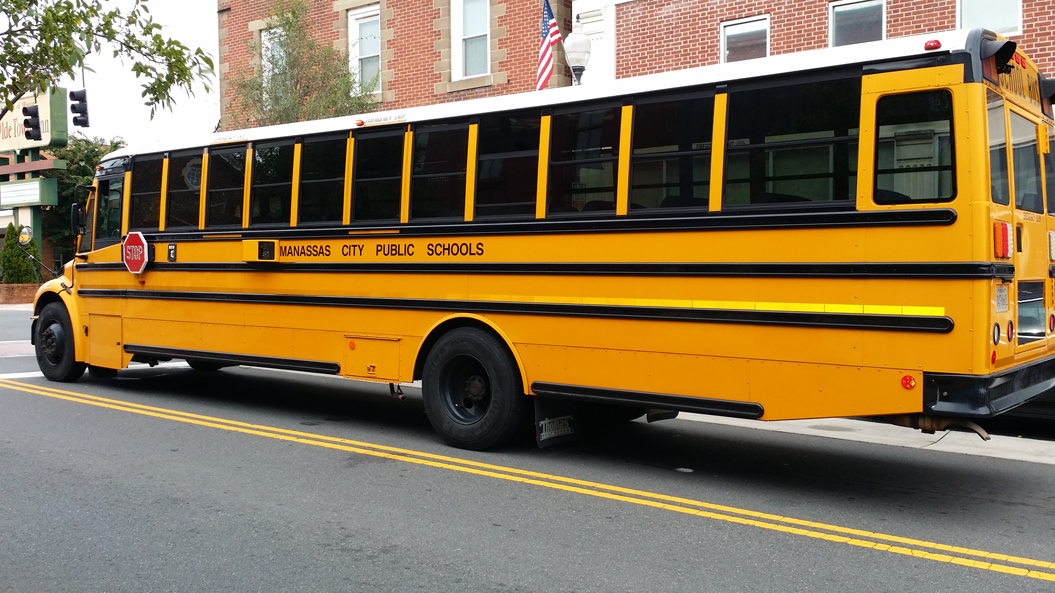
MANASSAS, Va. – A spirited discussion emerged at the June 5 Manassas City School Board work session as board members debated whether the district should allow teachers to assign zeroes to students who fail to turn in assignments.
The proposal, introduced by board member Sara Brescia, aims to revise the current grading policy, which uses a 50–100 scale and does not allow grades below 50%, even for missing work. Brescia argued that the lack of a true zero disincentivizes student effort.
“Some students are calculating how many assignments they can skip and still pass,” Brescia said. “We need to help students develop habits that prepare them for life after graduation.”
Brescia’s proposal was modeled after policies in Fairfax and Loudoun counties, which use placeholders like “M” (missing) or “I” (incomplete) to indicate missing work. If a student makes no attempt within two weeks, a zero may be recorded. Brescia clarified that her proposal would retain the current grading scale but introduce a structured consequence for prolonged inaction.
Background: Ongoing Debate Over Grading Policy
This latest conversation follows a series of policy discussions stretching back nearly a year. On July 24, 2024, the board approved an amendment to the 2024–2025 grading policy allowing students to receive full credit for assignments turned in up to two weeks late and before the end of the quarter. The policy was adopted with a 5–1 vote, with only board member Robyn Williams dissenting.
Prior to the vote, the board had reviewed three different late-work policies, each retaining the 50–100 grading scale and incorporating flexibility around remediation and retakes. All were part of a broader effort to reimagine grading systems in response to post-pandemic challenges and declining student engagement.
Brescia also addressed this issue on an August 1, 2024 podcast episode hosted by Potomac Local News, where she outlined her perspective on why grading policies must evolve to better reflect both student learning and accountability.
The topic resurfaced publicly again in October 2024 as a major campaign issue during the school board election, when Potomac Local News reported on declining Standards of Learning (SOL) scores and community frustration with inconsistent grading expectations across classrooms.
Board Member Perspectives
In Favor of Exploring Zeroes (with Conditions):
- Sara Brescia: Advocated for zeroes as a last-resort tool after a grace period, saying current policy allows students to “game the system.”
- Dayna-Marie Miles: Supported the proposal based on personal and professional experience, arguing it encourages responsibility and prepares students for college and employment.
Opposed to Zeroes:
- Dr. Zella Jones: Warned that zeroes discourage students, distort academic achievement, and deepen learning gaps.
- Diana Brown: Emphasized the need for data-driven decision-making and cautioned against changes based on perception alone.
- Superintendent Dr. Kevin Newman: Defended the 50–100 scale as a normalized 10-point system and stressed the need for equitable policies that account for external challenges facing students.
Other members, including Vice Chair Lisa A. Stevens and Chair Suzanne W. Seaberg, called for deeper analysis and input from teachers, students, and families before any further action.
While only two members expressed immediate interest in revisiting the grading policy, the board agreed decided not to conduct a broader data review in the coming school year. That analysis may would have included:
- Counts of 50s assigned for attempted vs. missing work (newly trackable in PowerSchool).
- Feedback from students, parents, and educators.
- Comparisons with college acceptance trends and GPA recovery rates.
Initially, the school board discussed setting a goal to bring back a comprehensive report before determining whether to propose formal changes, but most members changed their minds.
Editor’s note: This article has been corrected.
