

When people talk about health care, the conversation usually starts and ends with doctors’ offices and hospitals. But anyone who’s spent time in community leadership knows it’s bigger than that. Health care touches families, workplaces, and the local economy in ways we don’t always talk about.
When seniors are healthier, everything around them is steadier. Employees miss fewer days of work to help loved ones. Local businesses and economies feel the difference. Medicare Advantage plays a quiet but important role in making that possible by helping seniors stay active, independent, and connected to the communities they’ve spent their lives building.
It covers more than just doctor visits. Many plans include prescription drug coverage, dental, vision, hearing, transportation, and care coordination. Those benefits don’t just improve health. They help people stay in their homes and remain engaged in daily life.
That has ripple effects. When seniors are stable and supported, families face less strain. Caregivers miss fewer days of work. Local businesses benefit from customers who can stay active longer. Communities are healthier overall.
From my time working with the business community and in local government, I’ve seen how much predictability matters. Medicare Advantage offers that. Seniors know what’s covered. They know their out-of-pocket costs are capped. That kind of clarity is rare in health care and deeply valuable for people living on fixed incomes.
Traditional, fee-for-service Medicare doesn’t always offer that same simplicity. It often requires seniors to navigate multiple parts and separate coverage just to fill in the gaps. Medicare Advantage brings those pieces together in a way that makes sense.
More than half of all Medicare beneficiaries — over 34 million older Americans and patients with disabilities — now choose Medicare Advantage. That’s not a casual decision. People make it because the coverage works in day-to-day life. It’s easier to understand. It covers the benefits seniors need to help them better manage their health.
This issue deserves real attention as Congress gears up for another round of health care debates and the midterm elections move closer. Seniors are one of the most reliable voter blocs in the country. They’re watching and they care deeply about whether leaders will protect the coverage they rely on. That should mean something for lawmakers.
Discussions in Washington all too often center on cutting costs without considering the broader impacts. Reducing funding in Medicare Advantage will mean fewer benefits, narrower provider networks, and higher out-of-pocket costs for seniors. That hurts them as well as families, employers, and entire regions.
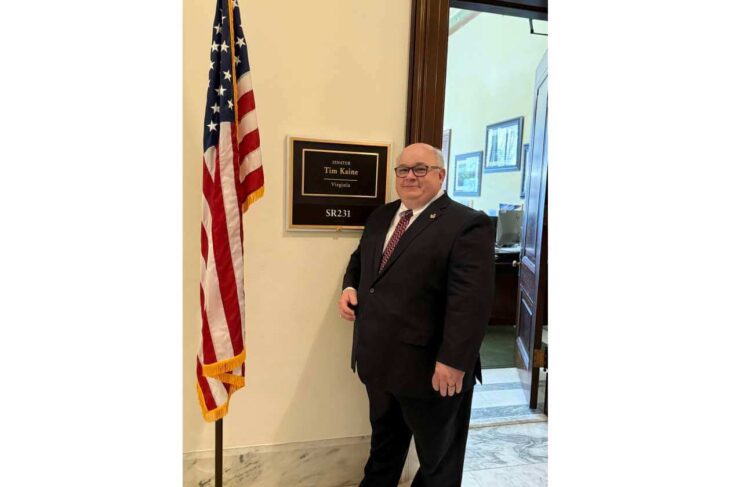
From a local leadership perspective, this moment calls for clarity. Supporting Medicare Advantage isn’t just a health care decision. It’s a commitment to community stability, economic strength, and respect for the people who helped build Virginia.
Virginia’s seniors deserve coverage they can count on. Protecting Medicare Advantage is one way to make sure they have it.