

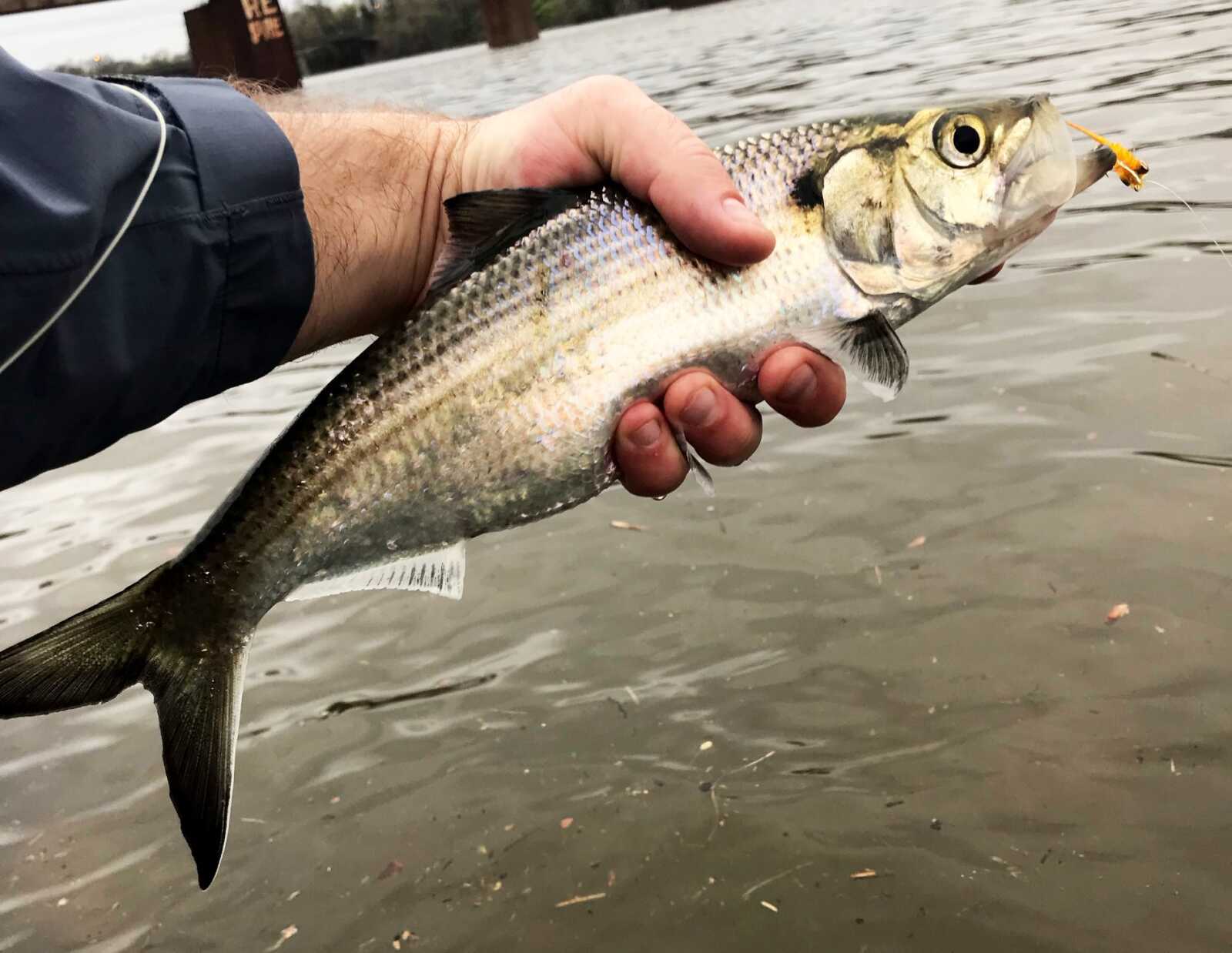
From mid-March through early May, thousands of anadromous fish surge upstream, drawing wildlife enthusiasts, birdwatchers, anglers, and families to the riverbanks. Stafford County stands out as a prime, accessible spot to witness this ancient migration—often called one of the region’s best-kept secrets for those seeking an authentic outdoor experience blending wildlife, history, and seasonal wonder.
American shad (*Alosa sapidissima*) and hickory shad (along with river herring like alewife and blueback) are the stars. These fish spend most of their lives in the salty Atlantic Ocean and Chesapeake Bay but return each spring to freshwater rivers to spawn.
Their journey is epic: navigating tidal waters, evading predators, and pushing through currents to reach spawning grounds. In the Rappahannock, the action concentrates around the fall line near Fredericksburg and Stafford County—areas like Falmouth Beach or Little Falls—where the river transitions from tidal to faster-flowing freshwater. The peak often hits in April, with fish leaping acrobatically (especially hickory shad, nicknamed the “Poor Man’s Tarpon”) as they battle upstream.
Locals and visitors in Stafford County enjoy viewing opportunities. From public spots like Falmouth Beach (just across from Old Mill Park in Fredericksburg), observers can watch the drama unfold right from the riverbank or even front yards along the water. The scene is alive with feeding frenzies: majestic ospreys and bald eagles dive bomb for shad, occasionally dropping their slippery catches mid-air—adding an element of surprise (and a reminder to watch your head!).
This ecological ballet highlights nature’s balance, where predators capitalize on the abundance while the fish press on to continue their cycle, a ritual that’s unfolded for generations.
The shad run carries deep historical and cultural significance in Virginia. American shad, once so plentiful they were dubbed “America’s Founding Fish,” sustained early settlers and Indigenous peoples. George Washington famously favored shad—he commercially fished them on the Potomac to support Mount Vernon and reportedly relied on runs to feed troops during tough times, including legends of shad helping Revolutionary forces at Valley Forge.
Local traditions endure, too, like shad planking: slow-cooking the fish on wooden planks over open fires, a method rooted in early settler and Native practices that highlights the fish’s culinary heritage (though modern conservation limits harvesting).
While Stafford County’s stretch of the Rappahannock shines for its reliability, accessibility, and dramatic hickory shad acrobatics, shad runs occur across other Virginia rivers. The James River near Richmond benefits from fish passage improvements at Bosher’s Dam, opening upstream habitat and supporting strong runs (with viewing via the Shad Cam when active).
The York River system (including the Mattaponi and Pamunkey) offers healthy populations in an undammed watershed. Tributaries like the Occoquan (part of the Potomac system) host events such as the annual Occoquan Shad Run. Other spots include the Appomattox and Chickahominy. Populations vary—restoration efforts have bolstered some rivers, while others face challenges—but the Rappahannock consistently delivers rewarding catch-and-release action and observation.
Conservation is crucial to sustain these runs. Virginia enforces strict rules via the Virginia Marine Resources Commission (VMRC): there’s a moratorium on possessing river herring (alewife and blueback), and a statewide ban on keeping American shad to protect recovering stocks. Hickory shad may have limited harvest allowances in certain areas (check current VMRC regs for details, as they can vary).
